The Fate of Irnia
Play The Fate of Irnia
The Fate of Irnia Screenshots




The Fate of Irnia review
Explore branching narratives, romance routes, and player agency in this fantasy visual novel
The Fate of Irnia stands out as a narrative-driven fantasy experience that puts player agency at its core. Set in a kingdom threatened by cyclical orc invasions, this interactive visual novel combines deep relationship mechanics, branching storylines, and meaningful consequences that shape your journey. Whether you’re navigating political intrigue, exploring forgotten ruins, or pursuing romance with diverse characters, every decision you make ripples through the world. This guide explores what makes The Fate of Irnia a compelling choice for players seeking immersive storytelling where your choices genuinely matter.
Understanding The Fate of Irnia’s Core Gameplay Mechanics
Let’s be honest—we’ve all been there. You’re playing a story-driven game, faced with a big, dramatic decision. You sweat over it, choose what feels right… and then the story railroads right back to the main path with a barely a nod to your “choice.” It’s the worst kind of magic trick 🎩. You’re left wondering what the point was.
Well, friends, The Fate of Irnia is here to break that cycle. It’s not just another visual novel; it’s a deep, reactive world built on a promise: your voice matters. Every whispered secret, every bold declaration, and every moment of hesitation writes a story that is uniquely, irrevocably yours. This chapter is your guide to the engine that makes this possible—the brilliant The Fate of Irnia gameplay mechanics that transform you from a passive reader into the true author of this fantasy epic.
How Player Choices Shape Your Journey
At the heart of The Fate of Irnia is a simple, powerful idea: player agency fantasy game experiences are defined by trust. The game trusts you with the fate of its world, and in return, it provides a visual novel decision system with real teeth. This isn’t about picking flavor text; it’s about navigation.
Think of the story not as a single road, but as a vast, living forest with countless trails. Some are wide and well-trodden, leading to major kingdom-shifting events. Others are hidden paths, revealing personal secrets or unlocking quiet moments of connection. Your branching narrative choices determine which trails you discover and which become permanently overgrown. The game remembers everything—a kindness shown in Chapter 1 might open a door in Chapter 5 that a colder player will never even know existed.
I learned this the hard way on my first playthrough. I played my character as pragmatic and a little distrustful, always prioritizing the “greater good” over individual needs. It felt smart, strategic. But much later, when I was desperately in need of an ally in a crumbling city, the very people I’d dismissed earlier turned away. The game didn’t punish me; it reflected me. My story became one of political power achieved through isolation. It was compelling, but it was also lonely. That’s the magic of meaningful consequences interactive fiction—it holds up a mirror to your decisions.
The Orb System and Decision-Making
So, how does the game track the immense complexity of your unique journey? Enter the genius of The Fate of Irnia orb mechanic. Forget clunky morality meters or simplistic reputation bars. The Orb is your elegant, in-world companion and the central interface for your influence.
Visually, the Orb is a beautiful, ethereal artifact that reacts to your emotional and narrative state. But mechanically, it’s the control panel for your destiny. After key scenes and dialogues, the Orb will pulse with different colors, each representing a narrative direction or character alignment you’ve strengthened.
Here’s a practical tip: Don’t try to “game” the Orb. Its purpose isn’t to be maxed out on a single color. Instead, see it as a guide to your evolving narrative identity. A flare of crimson might indicate you’ve taken a decisive, perhaps aggressive, action that resonates with a warrior character. A soft azure glow could mean you’ve nurtured a bond or chosen a path of diplomacy. The Orb’s state directly influences which dialogue options appear, how characters perceive you, and even which story branches become available. It’s a constant, tangible feedback loop for your player agency fantasy game experience.
To give you a clearer picture of how different actions feed into this system and shape your world, let’s break down the primary types of choices you’ll make:
| Choice Type | Orb Influence & Short-term Effect | Long-term Narrative Consequence |
|---|---|---|
| Dialogue & Tone (e.g., Sarcastic vs. Sincere) |
Shifts Orb affinity with the character you’re speaking to. Opens or closes immediate dialogue threads. | Fundamentally alters relationship mechanics visual novel paths. Can lock you into a romance route, earn a lifelong ally, or create a bitter rival. |
| Moral & Ethical Decisions (e.g., Spare an enemy vs. Uphold the law) |
Strong pulse towards a specific Orb color (e.g., Mercy vs. Justice). Changes how nearby characters react to you. | Alters the “world state.” A spared enemy may return as an ally or informant; a harsh judgment may make other factions fear or respect you. |
| Strategic & Action Choices (e.g., Investigate the ruins vs. Return to camp) |
May not always change Orb color directly, but flags a specific story “node” as visited. | Locks or unlocks entire plot branches and endings. The item or knowledge gained (or missed) can be critical many chapters later. |
Consequences That Actually Matter
This is where The Fate of Irnia truly separates itself from the pack. The promise of meaningful consequences interactive fiction is delivered through a cascading domino effect of your decisions. The game features a sophisticated “world state” system that tracks hundreds of flags—from the political stability of minor nobles to the personal trust of a single guard.
Let’s walk through a specific example. Early in the game, you encounter a scene where a skilled but morally ambiguous scout named Kaelan is being apprehended for theft. You have a moment to intervene.
* Choice A (The Pragmatic Path): You hesitate, letting the guards take Kaelan. You reason that getting involved is risky.
* Choice B (The Empathetic Path): You speak up, vouching for Kaelan or creating a distraction so he can escape.
This seems like a small, isolated moment. But let’s trace the branches 🪢.
If you chose Path A (Hesitate), Kaelan is imprisoned. Later, when you need to infiltrate a heavily fortified stronghold, you lack his unique scouting expertise. You must find a costlier, more dangerous way in, or miss the opportunity entirely. Furthermore, Kaelan’s sister, Elara—a potential romance option and powerful mage—learns of your inaction. Her entire route may become cold and closed off, her dialogue forever tinged with disappointment. Your story becomes one where caution sometimes leads to greater hardship.
If you chose Path B (Intervene), Kaelan escapes and remembers your aid. He becomes a recurring ally, offering shortcuts, warnings, and crucial assistance in stealth missions. His gratitude also opens the door to Elara’s romance route, as she appreciates your kindness to her brother. However, the guards you thwarted now view you with suspicion, making certain legal or city-based interactions more difficult. Your story is now one of loyalty and network-building, but also of making powerful enemies.
This is the core of the experience: no choice is simply “good” or “bad.” Every decision is a trade-off, weaving a narrative tapestry that is complex, personal, and deeply satisfying.
This architecture of branching narrative choices ensures there is no single “canon” story. There are dozens of variations, each with its own tone, alliances, and climax. Your early choices about who to trust, which clues to pursue, and how to balance your heart against your duty will cascade through the entire adventure, determining which of the game’s multiple endings you ultimately earn.
This design makes replayability not just a bonus, but a core part of the journey. Your second playthrough isn’t about skipping text to see a different ending cutscene; it’s about living a different life in Irnia. Choosing different branching narrative choices reveals entirely new subplots, character motivations, and solutions to major conflicts. That quiet scholar you ignored the first time? On another path, he might hold the key to saving the kingdom. This incredible depth is powered by the game’s unwavering commitment to its visual novel decision system and the profound relationship mechanics visual novel fans crave.
In the end, The Fate of Irnia understands that true agency isn’t about having unlimited power, but about making limited, impactful decisions and living authentically with the results. It invites you to plant your flag, make your mistakes, forge your bonds, and write a legend that could only belong to you. Your fate, and the fate of Irnia, awaits your first, decisive choice.
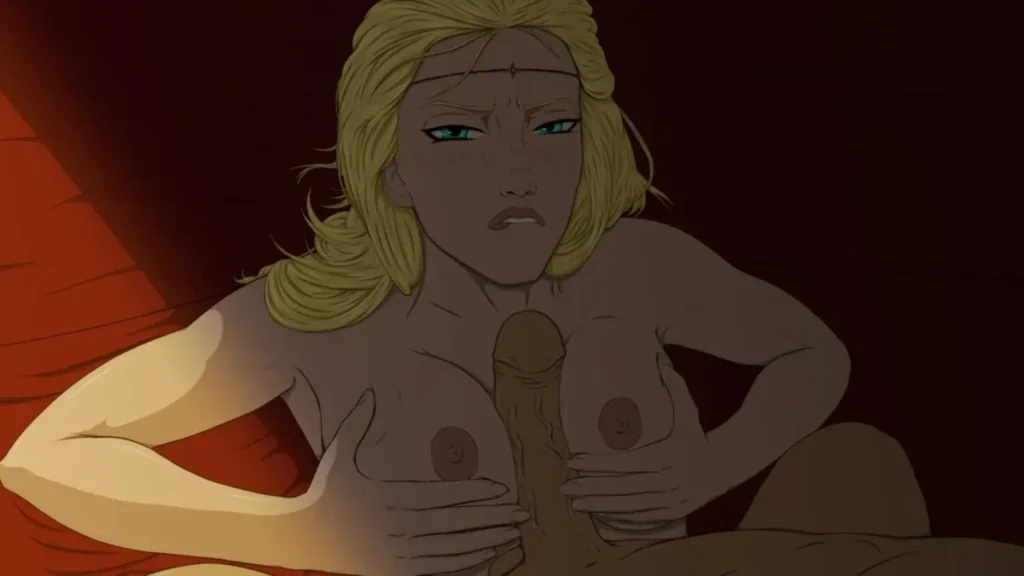
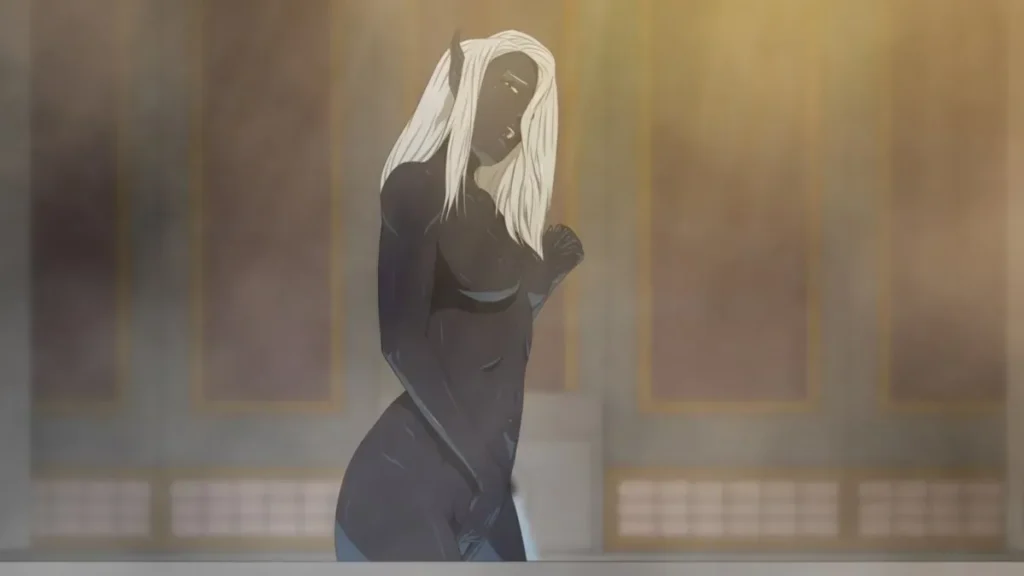
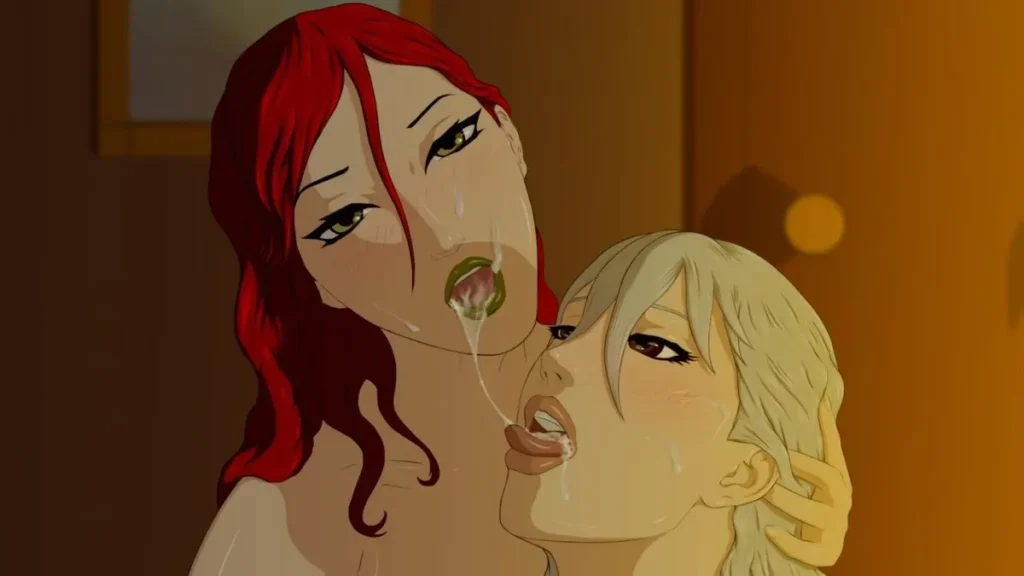
The Fate of Irnia delivers a compelling fantasy experience that successfully merges adventure, romance, and genuine player agency. Through its richly detailed world, diverse romance routes, and sophisticated branching narrative system, the game offers substantial depth for players seeking immersive storytelling where decisions carry real weight. The relationship mechanics create authentic investment in character development, while the decision-driven gameplay ensures each playthrough feels uniquely personal. Whether you’re drawn to the sweet connection with Jenny, the intense Ghorza path, the ethereal Water Naiad, or the mysterious Death route, The Fate of Irnia rewards exploration and replayability. If you’re a fan of interactive fiction where your choices genuinely shape the story and determine multiple vastly different endings, this visual novel deserves a place in your collection. Start your journey in Irnia today and discover what kind of hero—or something entirely different—your protagonist will become.