Motherless
Play Motherless
Motherless Screenshots





















Motherless review
Explore the narrative-driven adult visual novel with branching storylines and character customization
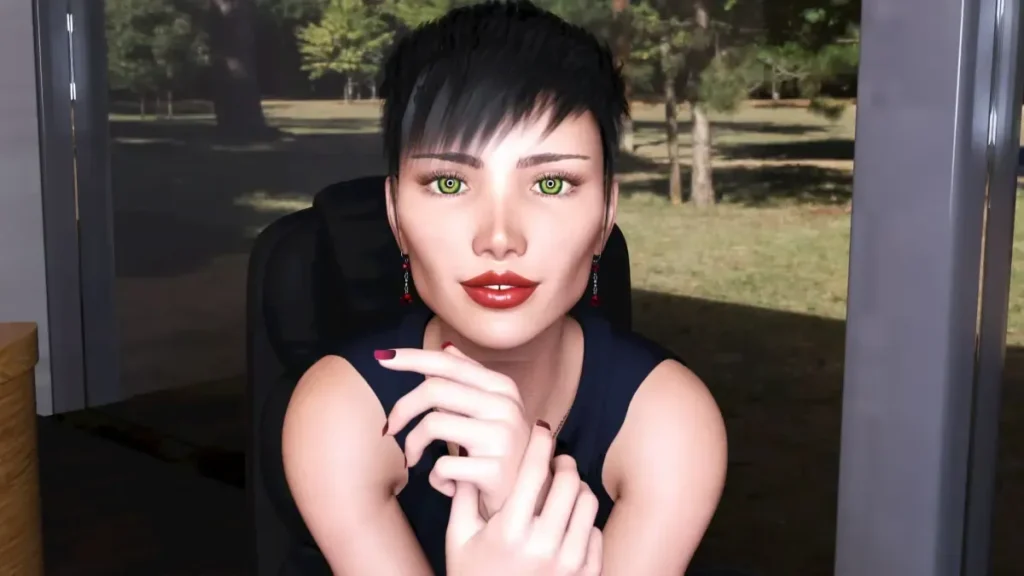
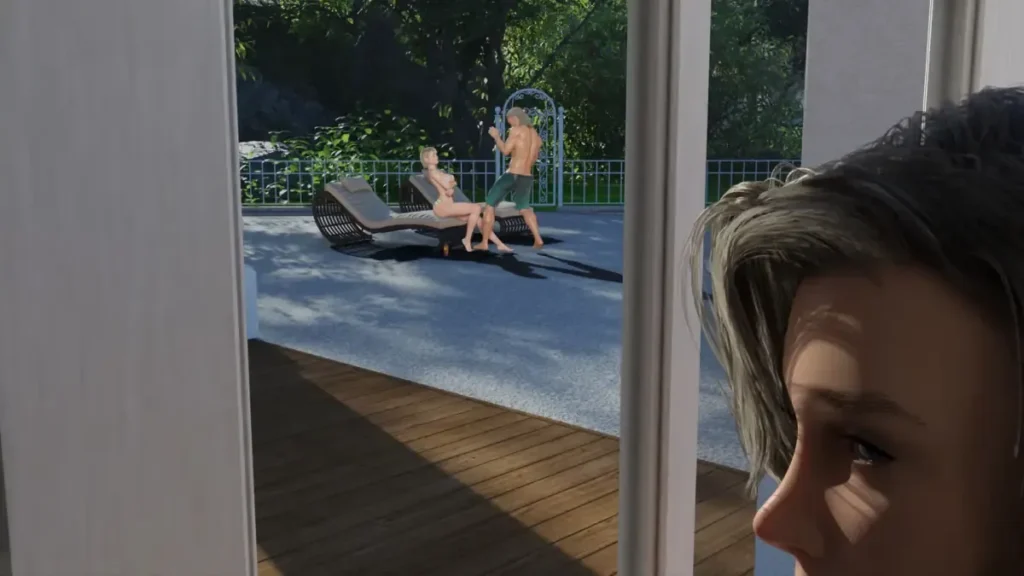
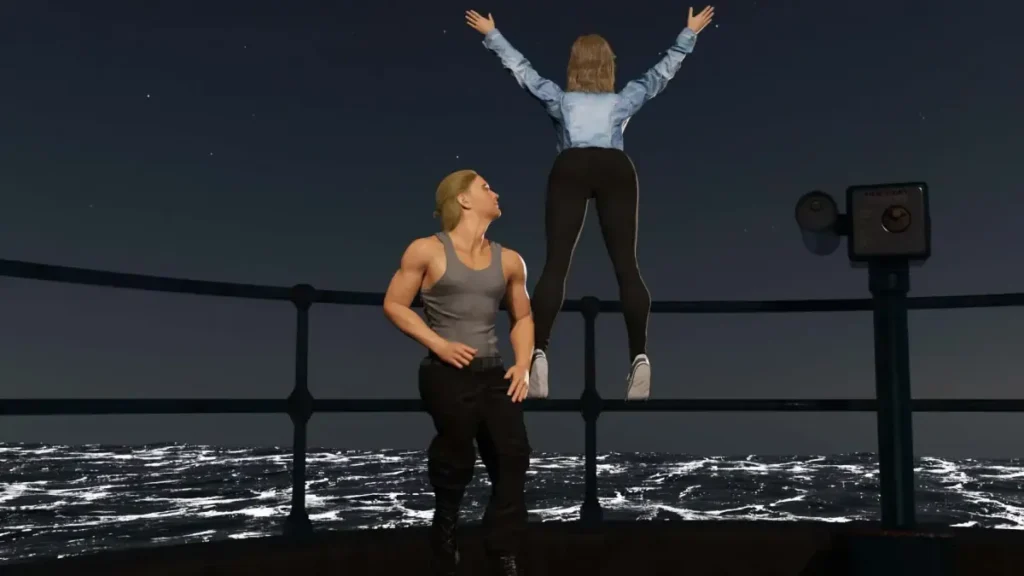
Motherless is a narrative-driven adult visual novel developed by Mr.Mister using the RenPy engine that has gained significant attention for its sophisticated approach to interactive storytelling. The game follows Sunny, a protagonist separated from his mother at birth, as he embarks on a journey of self-discovery and reconnection. With an intricate branching storyline where player choices significantly impact relationships and narrative outcomes, Motherless stands out in the adult gaming landscape by successfully merging compelling narrative with interactive gameplay. The game features extensive character customization, intuitive controls, and a completed storyline spanning multiple seasons with thousands of high-quality renders and animations, offering substantial replay value and emotional investment for players seeking depth beyond surface-level content.
Understanding Motherless: Core Gameplay Mechanics and Features
So, you’ve heard about Motherless and you’re curious. Maybe a friend raved about the story, or you saw a stunning screenshot that pulled you in. You’re ready to dive into this narrative-driven world, but you’re wondering: how do I actually play this thing? What am I getting into? 🤔
Let me tell you, as someone who’s clicked through countless visual novels, Motherless stands apart. It’s not just a story you read; it’s a story you build, brick by emotional brick, with every single choice you make. This chapter is your blueprint. We’re going to strip down the core gameplay mechanics, from the moment you create your character to the profound, long-term consequences of your decisions. Think of this as your orientation to a world where you truly have a say.
How to Get Started: Character Customization and Controls
First things first: who are you in this story? Before the drama unfolds, before you meet the complex cast of characters, you get to define the protagonist. The character customization Motherless offers isn’t just a cosmetic afterthought—it’s the foundational layer of your entire experience. This is where you plant the seeds of your personality and style.
You’ll be greeted with a robust but intuitive creator. We’re talking about tweaking physical features to craft a unique look, but it goes deeper. You choose a style, an attitude. Are you the pragmatic type, the hopeful romantic, or the cautious observer? These initial selections aren’t just for show; they subtly influence dialogue options and how characters perceive you from the very first interaction. It’s your first meaningful choice in a sea of thousands.
Pro Tip: Don’t rush this screen! I spent a good twenty minutes on my first playthrough, crafting a persona I thought would be “perfect.” On my second run, I made someone completely different on a whim, and the story felt entirely new. That’s the magic here.
Once you’ve breathed life into your character, it’s time to learn the lay of the land. The Motherless game controls are designed to be seamless, pulling you into the world without getting in the way. Built on the renowned RenPy engine games framework, it masters the balance between simplicity and depth.
Movement is smooth with the classic WASD keys, letting you explore beautifully rendered environments to find clues and characters. Your mouse isn’t just a pointer; it’s your camera and your primary tool for interaction. Hover over points of interest or characters, and left-click to engage. Feeling lost or wanting to revisit a key plot point? Hit the ‘J’ key to bring up your journal—an indispensable log of your story, relationships, and critical memories.
Here’s a quick-reference guide to get you oriented:
| Action | Primary Control | Function |
|---|---|---|
| Movement | W, A, S, D Keys | Navigate the game’s environments to explore and find interactive elements. |
| Interact / Select | Left Mouse Click | Talk to characters, examine objects, and make your critical story choices. |
| Camera Control | Mouse Movement | Look around static scenes; often used to find hidden interactions or set the mood. |
| Menu / Journal | J Key | Access your story log, relationship statuses, and game settings. Your personal lore book. |
See? Nothing too complex. The system gets out of the way so you can focus on what matters: the people and the plot. The interface is clean, with subtle cues indicating when a conversation has a timed choice or a particular interaction is available. This respectful design is a hallmark of polished visual novel mechanics.
Interactive Storytelling: The Power of Player Choices
Now, let’s talk about the heart and soul of Motherless: the interactive storyline Motherless is famous for. This is where you move from being a passenger to a co-pilot. Every conversation, every silent moment of reflection, every decision to act or hold back is a thread you weave into the narrative tapestry.
Forget simple “Good vs. Evil” sliders. The choices here are deliciously, frustratingly nuanced. 🍷 You’re not picking between “Save the Puppy” or “Kick the Puppy.” You’re deciding between offering blunt, honest advice that might hurt a friend now but help them later, or giving comforting, gentle words that preserve their immediate feelings. Both paths are valid, both are human, and both will send ripples through your relationships.
The player choices impact is immediate and visceral. Characters remember what you said. They react to your tone. Choose to be sarcastic in a tense moment, and you might see a character’s expression shutter closed. Offer genuine support in a vulnerable scene, and you’ll earn a trust that pays off chapters later. I remember once, early on, I chose to share a personal memory with a main character during a quiet walk. It felt like a small, intimate moment. Three chapters later, when we were in a massive argument, they threw that exact memory back at me, using my own vulnerability to make a point. I was stunned—in the best way. The game had been listening all along.
This is the core promise: you are co-authoring this story. The game demands your engagement. It asks you to think about motive, consequence, and character. There’s no passive watching here. Your click has weight. Your silence is a choice. This profound player choices impact system ensures that no two playthroughs are ever the same, making the interactive storyline Motherless delivers feel uniquely personal.
Branching Narratives: How Your Decisions Shape the Story
If the interactive choices are the threads, then the branching storyline gameplay is the grand, intricate tapestry they create. We’re not talking about a story that forks into two or three endings. We’re talking about a living narrative ecosystem where a decision in Chapter 1 can quietly germinate and blossom into a completely different story arc by Season 3. 🌱➡️🌳
The structure of Motherless is built for the long haul. Each released chapter or season contains its own completed, satisfying narrative arcs—you’re never left with a meaningless cliffhanger. Yet, the choices you make within those arcs set the trajectory for everything that follows. It’s a masterpiece of long-form storytelling.
The game respects your agency by offering multiple authentic paths. You might pursue a passionate romantic route, fraught with its own challenges and joys. You might focus on reconciliation and healing fractured familial bonds. Or you might strive to build something entirely new from the ashes of the past. None of these paths are labeled “correct.” They are simply different expressions of a human experience, and the branching storyline gameplay supports each one with dedicated writing and consequences.
Let me give you that concrete example I promised. This is a hypothetical but very real illustration of the ripple effect:
In Chapter 1, you have a seemingly minor interaction with a secondary character, let’s call him Alex. He’s struggling with a task. You have a choice:
* Option A: Help him directly, showing him how to do it.
* Option B: Encourage him to figure it out on his own, offering moral support but not hands-on help.
If you choose Option A, Alex sees you as a direct problem-solver, a hands-on ally. Fast forward to Season 3. A major crisis hits the community. Alex, now in a position of slight authority, immediately seeks you out for a tactical, on-the-ground solution. Your path here is one of coordinated action.
If you chose Option B, Alex internalizes a lesson in self-reliance. In that same Season 3 crisis, he doesn’t come to you for a direct solution. Instead, he presents you with a plan he devised, seeking your strategic approval or partnership. The same crisis, the same characters, but a fundamentally different dynamic and scene because of a tiny choice made years (and dozens of gameplay hours) earlier.
That is the power of branching storyline gameplay. It’s not about right or wrong; it’s about cause and effect. It’s about building a history that the game’s world genuinely remembers. This meticulous attention to consequence is what elevates Motherless from a great story to an unforgettable personal journey. You’re not just following a path—you’re walking on a road you built yourself, with every click, every choice, and every moment of empathy or defiance defining the landscape around you. Your story in Motherless is, without question, your own.
Motherless represents a sophisticated evolution in adult gaming by prioritizing narrative depth and meaningful player agency alongside explicit content. The game’s strength lies in its intricate story structure where Sunny’s journey of self-discovery unfolds through player choices that genuinely impact relationships and story outcomes. From intuitive controls and extensive character customization to a completed narrative spanning multiple seasons with thousands of high-quality renders and animations, the game delivers a comprehensive experience that respects player time investment. Whether you’re drawn to the mystery of family secrets, the complexity of character relationships, or the immersive interactive storytelling, Motherless offers an experience that engages both emotionally and narratively. The game’s commitment to branching storylines that create authentic, compelling truths about Sunny’s life—whether romantic, reconciliation-focused, or entirely new paths—demonstrates how adult gaming can achieve artistic merit through thoughtful design and player-centered narrative construction.