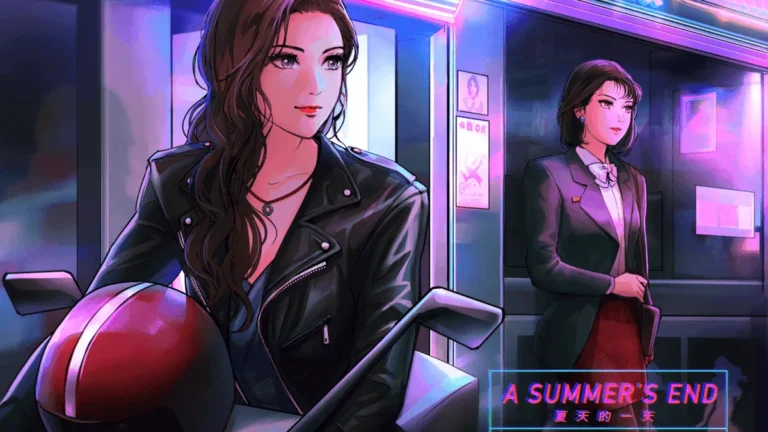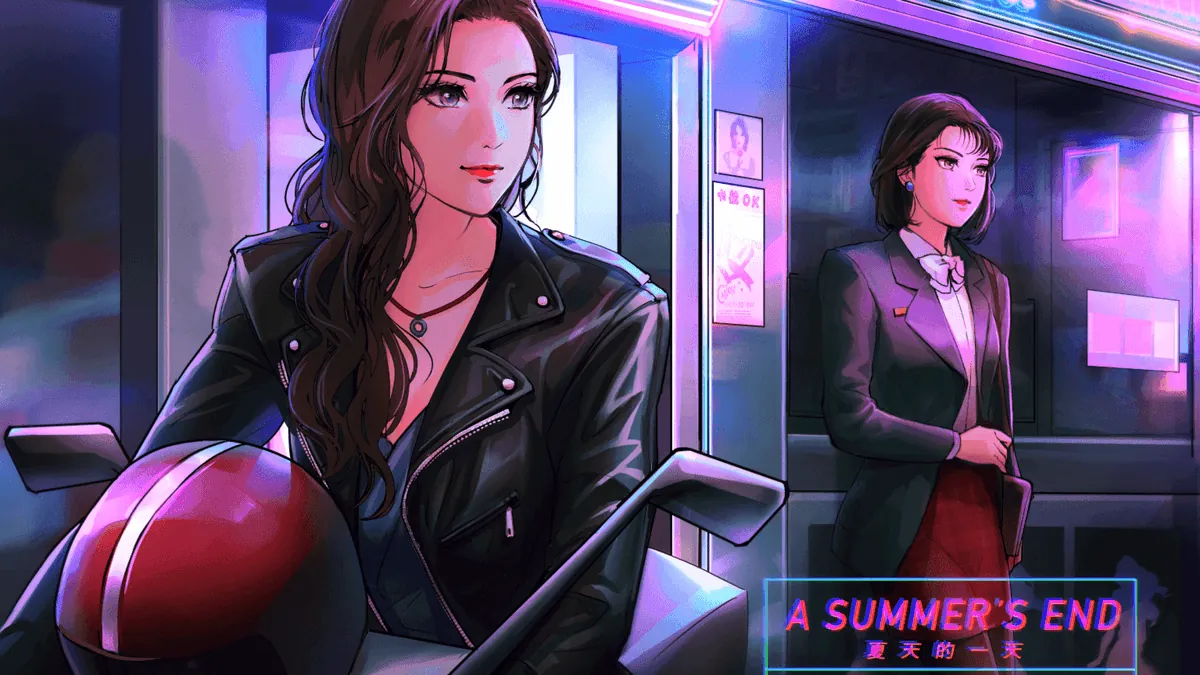
A Summer’s End – Hong Kong, 1986
Play A Summer’s End – Hong Kong, 1986
A Summer’s End – Hong Kong, 1986 Screenshots

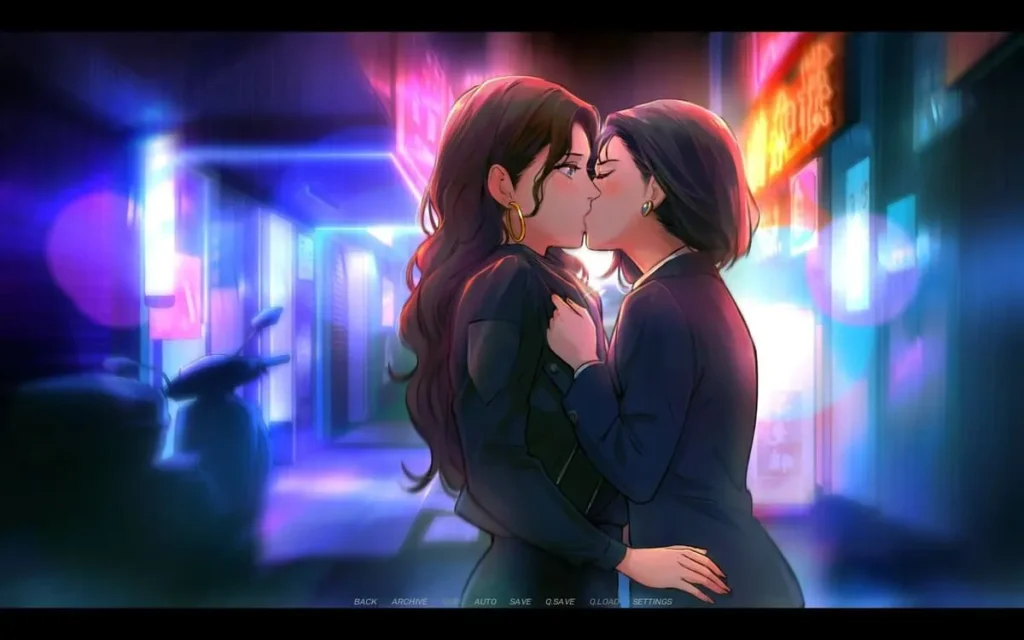


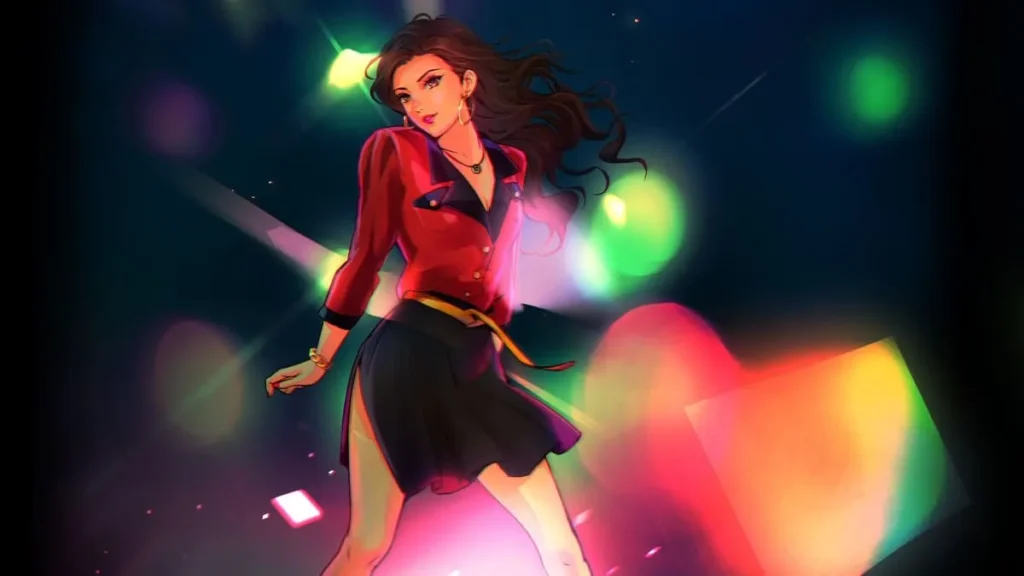



A Summer’s End – Hong Kong, 1986 review
Explore the acclaimed romance story set in 1980s Hong Kong with detailed gameplay insights and narrative analysis
A Summer’s End – Hong Kong, 1986 stands as a remarkable visual novel that captures the essence of 1980s Hong Kong through an intimate romance narrative. This game follows Michelle, a young professional woman, and Sam as their chance meeting evolves into a deeper relationship amid the vibrant backdrop of Hong Kong’s golden era. The visual novel combines compelling storytelling with authentic cultural representation, exploring themes of identity, family dynamics, and love in a conservative society. With its hand-drawn art assets inspired by 1980s anime, vaporwave soundtrack, and two distinct endings, A Summer’s End offers players an unforgettable interactive experience that balances emotional depth with visual artistry.
Understanding A Summer’s End – Hong Kong, 1986: Story, Setting, and Characters
Stepping into A Summer’s End – Hong Kong, 1986 feels less like launching a game and more like opening a time capsule. 🎞️ You’re immediately wrapped in the humid, neon-drenched air of a Hong Kong at a cultural crossroads. This isn’t just a backdrop; it’s a living, breathing character in its own right. The entire A Summer’s End Hong Kong 1986 story is built upon this foundation, using the specific energy of 1986 to explore universal questions of love, identity, and duty. I remember my first playthrough, completely struck by how the city’s pulse—the crowded noodle shops, the blaring pop music, the looming modern skyline—directly mirrored Michelle’s own inner turmoil. It’s a masterclass in how setting fuels narrative.
So, what makes this visual novel 1986 Hong Kong setting so special? Let’s pull up a plastic stool at a dai pai dong, order some milk tea, and dive deep into the world, the people, and the choices that define this unforgettable experience.
The Setting: Why 1986 Hong Kong Matters to the Narrative
To understand Michelle and Sam, you first have to understand their world. Hong Kong in the mid-80s was a pressure cooker of change. 🏙️ Economically booming, culturally vibrant, yet politically uncertain with the 1997 handover to China on the distant horizon. The game captures this duality perfectly: the glamorous, fast-paced life of business and nightclubs exists alongside traditional family homes and conservative values. This tension is the engine of the entire Hong Kong 1986 visual novel narrative.
The developers at Oracle & Bone didn’t just pick a year at random. 1986 allows the story to explore a specific, optimistic moment in Hong Kong’s identity, making the personal conflicts of the characters feel even more poignant. Michelle’s life as a young office worker is a direct product of this economic miracle, yet she feels trapped by the very traditional expectations that society is rapidly outgrowing. The city’s iconic neon signs, meticulously recreated, aren’t just pretty scenery; they symbolize this flickering, beautiful, yet transient moment in time. When you engage with the A Summer’s End Hong Kong 1986 story, you’re not just watching a romance—you’re navigating the anxieties and hopes of a generation.
This setting does more than provide atmosphere. It actively creates conflict and context. The homophobia and conservative attitudes the characters face are portrayed with a painful authenticity that feels rooted in that specific time and place, not a generic “obstacle.” The way the game draws inspiration from Hong Kong cinema (think the romantic melancholy of Wong Kar-wai) and the aesthetics of 80s anime creates a unique visual and emotional language. It’s a love letter to an era, but one that isn’t afraid to examine its complexities.
Character Development: Michelle and Sam’s Journey
At its heart, the A Summer’s End Hong Kong 1986 story is a character study of two women from seemingly different worlds. Their growth, both individually and together, is what makes the narrative so compelling. 🫂
Michelle is our window into this world. A dutiful daughter and a successful office worker, she has built a life that looks perfect on paper but feels empty inside. Her initial restraint and formality aren’t just personality traits; they’re armor. She’s mastered the art of living for others—her family, her boss, society’s expectations. Meeting Sam doesn’t just introduce romance; it introduces chaos, spontaneity, and a terrifying question: What do I actually want?
Sam, in contrast, is a force of nature. A confident, independent hairstylist who runs her own salon, she represents a more self-determined, modern path. She’s outwardly sure of herself, but the game wisely peels back layers to show her own vulnerabilities and past pains. She isn’t just a “manic pixie dream girl” there to rescue Michelle; she’s a fully realized person on her own journey.
The Michelle and Sam relationship begins with a literal collision—a chance meeting in a nightclub that feels fated. 🍸 What starts as a tentative, electric attraction slowly deepens into something profound. The game excels at showing the small, intimate moments that build a bond: shared meals, quiet conversations in Sam’s apartment, navigating the city together. Their relationship becomes a sanctuary from the pressures of the outside world, but also a catalyst for confronting those very pressures.
Their dynamic is the core of the player’s emotional investment. You witness Michelle’s gradual transformation from a passive participant in her own life to someone who must make active, difficult choices. Sam, in turn, learns to open up and trust. The beauty of the Hong Kong 1986 visual novel narrative is how it ties their personal evolution directly to the game’s central themes of finding authenticity in a world that often demands conformity.
| Character | Role & Background | Narrative Significance |
|---|---|---|
| Michelle | A mid-20s office worker from a traditional, conservative family. Lives at home and is expected to follow a prescribed path of marriage and stability. | Represents the conflict between duty and self. Her journey is the central arc of the game, embodying the struggle for identity and personal freedom against societal and familial expectations. |
| Sam | A self-employed hairstylist who owns her own salon. More openly expressive and living a less conventional, independent life. | Acts as a catalyst for Michelle’s awakening. Represents an alternative way of living—authentic, artistic, and self-directed. Her own past adds depth and challenges to the relationship. |
| Joey | Michelle’s well-meaning but oblivious suitor, set up by her family. A “nice guy” from a good background. | Personifies the life path Michelle is expected to follow. His presence creates direct narrative pressure and highlights the cultural expectation of heterosexual marriage, making Michelle’s internal conflict tangible. |
Supporting Characters and Their Role in the Story
While Michelle and Sam’s romance rightfully takes center stage, the supporting cast in A Summer’s End characters roster is crucial. They aren’t mere props; they are the vessels through which the game’s larger societal pressures are made personal and immediate.
Take Joey, the hopeless suitor. It would be easy to paint him as a villain, but the game avoids that trap. He’s kind, earnest, and genuinely likes Michelle. This makes his role far more interesting and agonizing. He represents the “good” and “safe” choice, the path of least resistance that would please everyone but Michelle herself. His presence forces the player to understand that Michelle’s conflict isn’t about choosing between a “good” person and a “bad” one, but between a prescribed life and an authentic one. Navigating her interactions with Joey is one of the game’s most subtle yet powerful challenges.
Then there’s Michelle’s family, particularly her mother. The visual novel family conflict themes are handled with remarkable nuance. There’s no mustache-twirling cruelty here, just the heavy weight of expectation, concern, and generational disconnect. The fear of disappointing her family, of causing them to “lose face,” is a constant, suffocating presence for Michelle. This conflict isn’t resolved with explosive drama, but with the quiet, painful tension of unspoken words and meaningful glances across the dinner table. It feels incredibly real.
The game also introduces a touch of magical realism with the mysterious old woman in Mong Kok. 🌸 Is she a ghost? A figment of Michelle’s subconscious? A wise guardian spirit? The game deliberately leaves this ambiguous. I see her as a symbol of Hong Kong’s old soul—a keeper of memory and lost stories who recognizes the significance of Michelle and Sam’s connection in the city’s ever-changing landscape. Her brief appearances add a layer of poetic mystery to the A Summer’s End Hong Kong 1986 story.
“The game approaches its social challenges not as monstrous evils to be slain, but as pervasive atmospheres to be navigated. The homophobia and family pressure feel authentic because they are often unspoken, woven into the fabric of daily life, making the characters’ courage feel earned, not cinematic.”
Finally, we have the pivotal A Summer’s End game endings. Without spoiling, the game offers two primary conclusions, and they are a testament to its commitment to player agency and narrative integrity. These aren’t simply “good” and “bad” endings. They are two distinct, emotionally resonant outcomes that flow directly from the key choices you make as Michelle, particularly in moments of crisis and honesty.
- The core of the choice revolves around courage versus compromise. Will Michelle find the strength to fully embrace her truth and face the consequences, or will she seek a path that preserves harmony at a deep personal cost?
- Your influence matters in subtle ways throughout, but a few critical decisions near the story’s climax lock in your path. Pay close attention to dialogue options that reflect assertiveness, vulnerability, and honesty.
- The result is that both endings feel valid and complete, offering different perspectives on love, sacrifice, and happiness. This duality reinforces the game’s central theme: that in the real world, there are rarely perfect solutions, only meaningful choices.
Exploring the Michelle and Sam relationship through these different endings is a profoundly moving experience. It asks you, the player, to consider what you value most in the face of societal pressure. The A Summer’s End game endings ensure that your personal investment in the characters pays off in a deeply meaningful way, making this much more than a story you watch—it’s one you help shape. 💖
Ultimately, A Summer’s End – Hong Kong, 1986 succeeds because it understands that the most compelling stories are about people first. Its rich visual novel 1986 Hong Kong setting provides the stage, and its nuanced exploration of visual novel family conflict themes provides the tension, but it’s the unforgettable journey of its A Summer’s End characters that will stay with you long after the credits roll. It’s a beautiful, poignant reminder of the courage it takes to choose your own path, set against the unforgettable glow of a Hong Kong summer night.
A Summer’s End – Hong Kong, 1986 represents a masterclass in visual novel storytelling that transcends typical genre conventions. Through its meticulously crafted 1980s Hong Kong setting, hand-drawn artwork inspired by classic anime, and vaporwave soundtrack, the game creates an immersive experience that honors both its historical context and contemporary artistic sensibilities. The narrative’s authentic portrayal of identity, family conflict, and love in a conservative society demonstrates how interactive fiction can address serious themes with nuance and respect. With its point-based gameplay system, two distinct endings, and optional content, the game encourages multiple playthroughs while maintaining narrative integrity. Whether you’re drawn to the game for its cultural representation, artistic design, compelling romance, or thematic depth, A Summer’s End offers a rich and rewarding experience that lingers long after the credits roll. For players seeking a visual novel that balances emotional resonance with visual artistry while exploring meaningful themes, this game stands as an essential title in the medium.