Wicked Choices: Book One
Play Wicked Choices: Book One
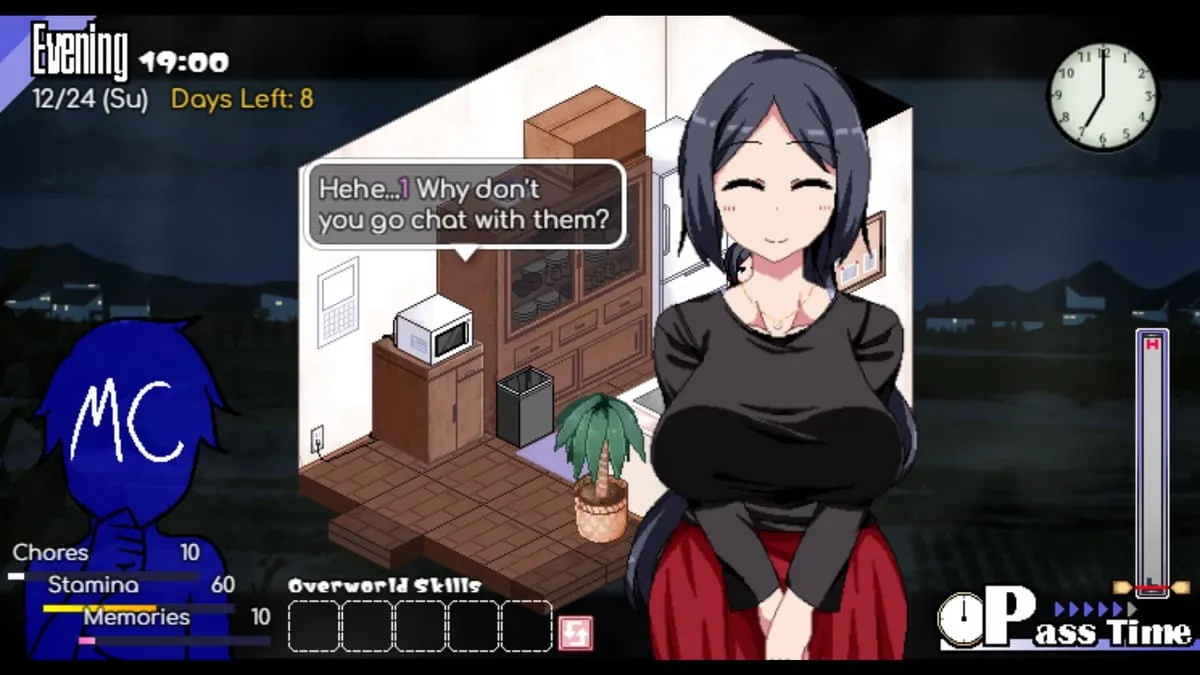
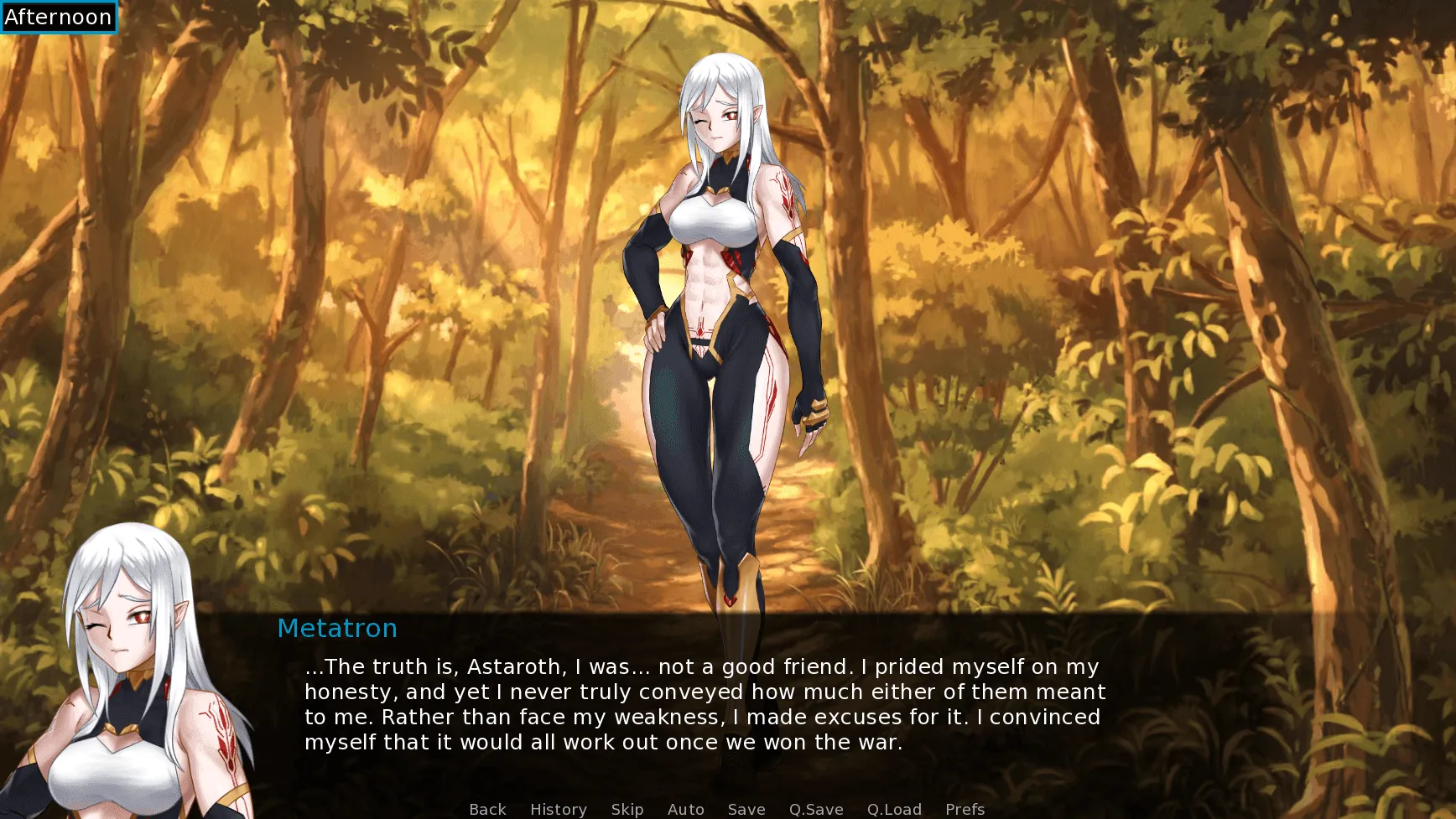
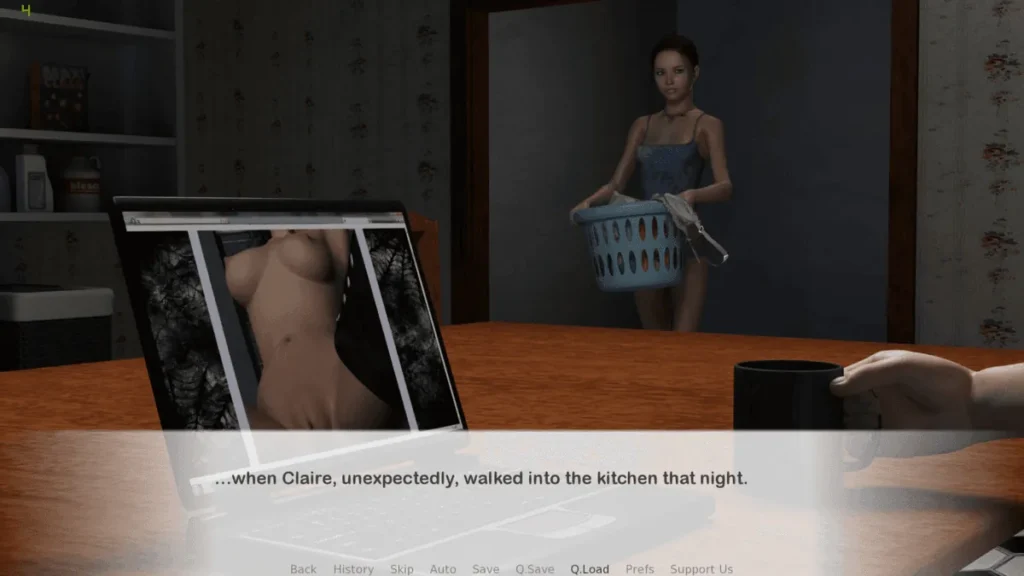
Wicked Choices: Book One Screenshots
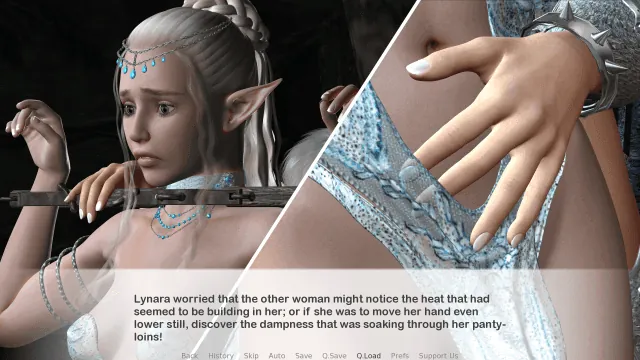
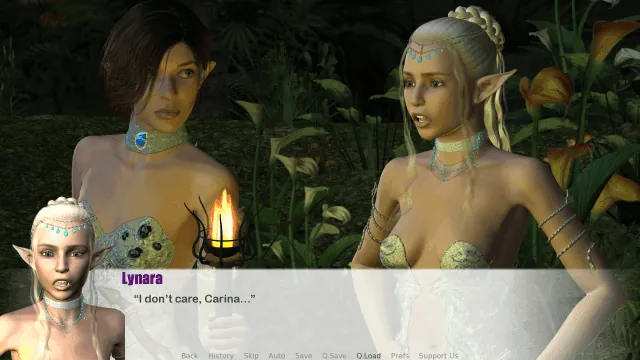
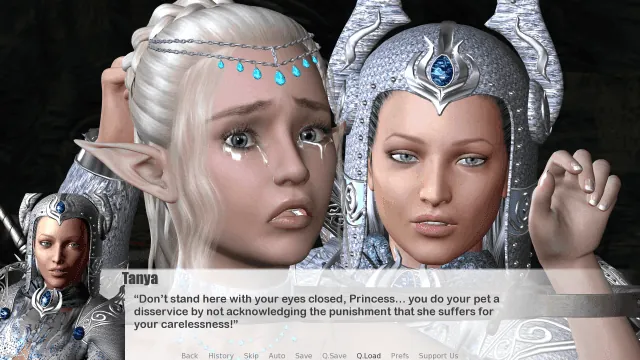


Wicked Choices: Book One review
Everything you need to know about this interactive narrative experience
Wicked Choices: Book One stands out as an interactive narrative experience that combines storytelling with player agency. This guide explores the game’s core mechanics, character relationships, decision-making systems, and what makes it a unique entry in choice-driven gaming. Whether you’re new to the title or looking to deepen your understanding, this comprehensive overview covers everything from initial setup to advanced gameplay strategies. The game emphasizes player choice and consequence, creating multiple pathways through its narrative. Understanding these systems helps maximize your engagement and enjoyment of the experience.
Understanding Wicked Choices: Book One – Game Mechanics and Features
Ever find yourself at a party, saying something you instantly regret, and wishing you could just rewind time and try a different approach? 😅 That feeling—the thrill, the tension, the social navigation—is the entire heart of Wicked Choices: Book One. This isn’t your standard visual novel or a game about leveling up stats; it’s a full-immersion experience where your words are your only weapon, your charm is your armor, and every single decision carves a unique path through a night of unforgettable drama.
Forget passive storytelling. Here, you are the author. The Wicked Choices Book One gameplay loop is deceptively simple yet profoundly deep: you read, you decide, you live with the results. Your goal? Navigate a sophisticated, character-rich party scene, build alliances, uncover secrets, and steer your evening toward an ending that feels uniquely yours. The interactive narrative game mechanics ensure that no two playthroughs are ever the same. It’s like being the director and lead actor in your own personal drama.
### What is Wicked Choices: Book One and How Does It Work? 🎭
At its core, Wicked Choices: Book One is a masterclass in digital role-playing. You step into the shoes of a protagonist attending a lavish, high-stakes party filled with intriguing—and often complicated—guests. The primary purpose isn’t to “win” in a traditional sense, but to experience and influence a living, breathing story. Think of it as the ultimate “what if?” simulator for social dynamics.
I remember my first playthrough. I decided to be the suave, mysterious type, offering clever quips and deflecting personal questions. It worked wonders with one character, who found me intriguing, but completely alienated another who valued blunt honesty. I didn’t just read about the fallout; I caused it. That’s the magic. This choice-driven storytelling system removes the barrier between you and the narrative. You’re not observing reactions; you’re triggering them through a menu of dialogue and action options that appear at key moments.
So, how to play Wicked Choices? Nothing simpler. You dive in. The interface is clean and intuitive, presenting you with narrative text and then your possible responses. These aren’t just “Good,” “Neutral,” or “Evil” options. They are nuanced, personality-driven choices that reflect different attitudes: Flirtatious, Sarcastic, Compassionate, Assertive, or Secretive. The game then tracks these selections invisibly, building a profile of your character that influences how others perceive and react to you for the rest of the story.
Pro Tip: Don’t try to game the system on your first run. Play authentically. Choose what you would say or what truly interests you. The most rewarding Wicked Choices Book One gameplay comes from engaging with the story naturally and seeing where your own instincts lead.
### Core Gameplay Systems and Decision Mechanics ⚙️
This is where the rubber meets the road. The game’s brilliance lies in its interconnected systems that transform simple clicks into meaningful narrative power. Let’s break down the engine under the hood.
The most immediate system is the choice-driven storytelling system. Every major story beat presents you with a decision point. These choices range from casual conversation starters to major ethical dilemmas that can pivot the entire plot. The game doesn’t just acknowledge your choice and move on; it weaves it into the fabric of the narrative. A throwaway comment in Chapter 2 might be referenced bitterly in Chapter 6. This creates a powerful sense of player decision consequences that feels personal and earned.
But how does it track everything? Behind the scenes, the game employs a complex flag and variable system. Every key choice sets a “flag,” and the story’s branching narrative paths are determined by which combination of flags are active. It’s not a simple “A/B” branch, but a sprawling tree with countless intertwining limbs. Choosing to trust Character A might open up a secret conversation with Character B later, a path that remains forever locked if you were dismissive earlier.
To give you a practical overview, here are the key gameplay features and mechanics that define the experience:
- Nuanced Dialogue Wheel: Choices reflect personality, not morality. Opt to be Witty, Sincere, Calculating, or Aloof.
- Hidden Relationship Scores: Every interaction adjusts your standing with each character, visible only through their changing dialogue and behavior.
- The “Memory” System: The game remembers your major choices and will recall them, creating callbacks and moments of accountability.
- Timed Decisions: Some choices require a quick response, raising the stakes and mimicking real social pressure.
- Inventory of Secrets: Key information you discover becomes an item you can choose to “use” or reveal at critical moments.
A major part of the interactive narrative game mechanics involves these pivotal moments. To illustrate, here’s a simplified look at how a single decision can ripple outward:
| Your Initial Choice | Immediate Consequence | Potential Long-Term Branch |
|---|---|---|
| Defend a character from gossip. | They thank you privately; the gossiper is annoyed. | Unlocks that character’s trust-based subplot. The gossiper may later spread rumors about you. |
| Join in on the gossip. | You gain momentary rapport with the gossiper; the target is hurt. | The target withdraws from you. The gossiper may see you as an ally for future schemes. |
| Change the subject diplomatically. | Neither party is pleased or offended. | Keeps both paths technically open, but may be seen as indecisive by observers. |
This table shows just one junction. Imagine dozens of these layered throughout the story, and you begin to grasp the scale of the branching narrative paths. The player decision consequences are rarely about “game over” screens, but about altering the tone, available allies, and ultimate resolution of the story’s central mysteries.
### Character Interactions and Relationship Building 💖
If the decision mechanics are the bones of the game, then the character relationship mechanics are its beating heart. Every major character in the party comes with their own history, desires, and secrets. Your interactions aren’t just about extracting information; they’re about building (or burning) genuine connections.
These relationships are governed by invisible meters that shift with every interaction. A compliment might raise their affinity, while a misplaced joke could cause it to plummet. The genius is that you don’t see a numerical score. Instead, you must read the subtext: a character’s smile becomes warmer, their dialogue more open and vulnerable, or conversely, more cold and clipped. This reliance on social cues makes the Wicked Choices Book One gameplay intensely immersive. You’re not managing a UI; you’re learning to understand people.
The party setting is the perfect crucible for this. You’ll navigate group conversations, pull characters aside for one-on-one chats, and even manage interactions where what you say to one person can be overheard by another. The character relationship mechanics are deeply interconnected. Becoming best friends with Alex might automatically make you a rival in the eyes of Jordan, who has a fraught history with them. You can’t please everyone, and trying to do so often leads to everyone distrusting you.
My biggest “aha!” moment came when I replayed a chapter focusing solely on one character, Cass. Where my first playthrough had me being a crowd-pleaser, this time I invested all my attention in her. I chose dialogue options that aligned with her cynical humor and showed support for her goals. The payoff wasn’t just a romance scene (though that was an option!). It was unlocking an entire secondary plot about a party secret I had missed completely before. Her loyalty gave me access to new locations and conversations, fundamentally changing my understanding of the story. This is the power of deep character relationship mechanics.
Here’s how different dialogue approaches can impact a single relationship:
| Dialogue Approach | Character Reaction (e.g., “The Cynic”) | Impact on Relationship Path |
|---|---|---|
| Optimistic & Encouraging | They dismiss you as naive. Trust decreases. | Locks out their personal questline. They see you as an outsider. |
| Sarcastic & Aloof | They respect your guarded nature. Cautious rapport builds. | Opens a path based on mutual, detached understanding. Unlocks secret-sharing. |
| Analytical & Observant | They are intrigued you see past their facade. Trust increases significantly. | Unlocks their vulnerable side and the most intimate story branches. |
Mastering how to play Wicked Choices effectively means learning to “read the room” for each character. Pay attention to their vocabulary, their reactions to others, and the topics they shy away from. The most rewarding secrets are told not to the charming hero, but to the player who took the time to truly listen and respond in kind.
### Frequently Asked Questions
Do my choices really matter, or is it an illusion?
They matter profoundly. While there are key plot points everyone will hit, your journey to them, your relationships at those points, and the story’s resolution are wildly different. Small choices alter dialogue and tone, while major decisions can change entire character arcs and which endings are available to you. The player decision consequences are the core of the experience.Can I romance any character?
Romance is a possible path with several core characters, but it is not a guaranteed or simple outcome. It is the result of sustained, consistent choices that build trust, affinity, and often, shared secrets. Pursuing a romance with one character will usually close off or complicate romantic paths with others, reflecting the game’s focus on authentic character relationship mechanics.How many endings are there?
Wicked Choices: Book One features one definitive “finale” event, but your path to it and the state of your world and relationships at that moment create what feels like a unique ending. There are multiple major outcome states based on your key alliances and discoveries, leading to dozens of nuanced variations. Replayability to explore these branching narrative paths is a major draw.What’s the best way to approach my first playthrough?
Go in blind and be true to yourself. Don’t reload saves after a choice feels wrong—live with it! The tension and surprise of navigating unintended player decision consequences is a huge part of the fun. Treat your first playthrough as your “canon” story. Afterwards, you can replay with specific goals, like siding with a different faction or pursuing a different relationship.Is there a “right” way to play?
Absolutely not. The game is designed to validate your playstyle. Whether you want to be a heroic peacemaker, a cunning manipulator, or a chaotic troublemaker, the interactive narrative game mechanics and choice-driven storytelling system will adapt and provide compelling consequences for that role. The “right” way is the way that is most engaging to you.
Embarking on Wicked Choices: Book One is signing up for a story that is uniquely yours. It asks you to listen closely, choose wisely (or recklessly!), and embrace the beautiful, messy consequences. It’s more than a game; it’s a playground for social exploration and a testament to the power of choice-driven storytelling. Your party awaits. What will your first move be? 😉
Wicked Choices: Book One delivers a compelling interactive experience centered on meaningful player choices and character relationships. The game’s strength lies in its branching narrative system that responds to your decisions, creating unique storylines based on how you interact with characters and navigate social situations. Understanding the core mechanics—from the decision system to relationship tracking—enhances your ability to shape the narrative according to your preferences. Whether you’re interested in exploring different character paths, discovering all possible outcomes, or simply enjoying the story, this guide provides the foundation for a rewarding experience. Take time to experiment with different choices, pay attention to how your decisions ripple through the narrative, and enjoy the multiple pathways the game offers.