Tainted Heritage – a.k.a Weird Shit Is Going to Happen
Play Tainted Heritage – a.k.a Weird Shit Is Going to Happen
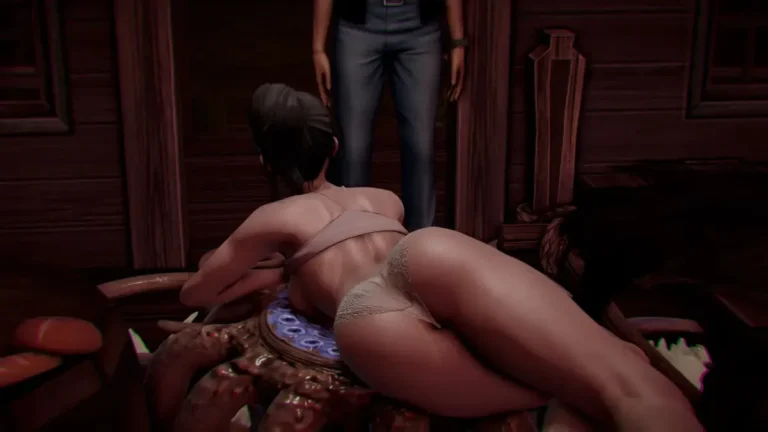
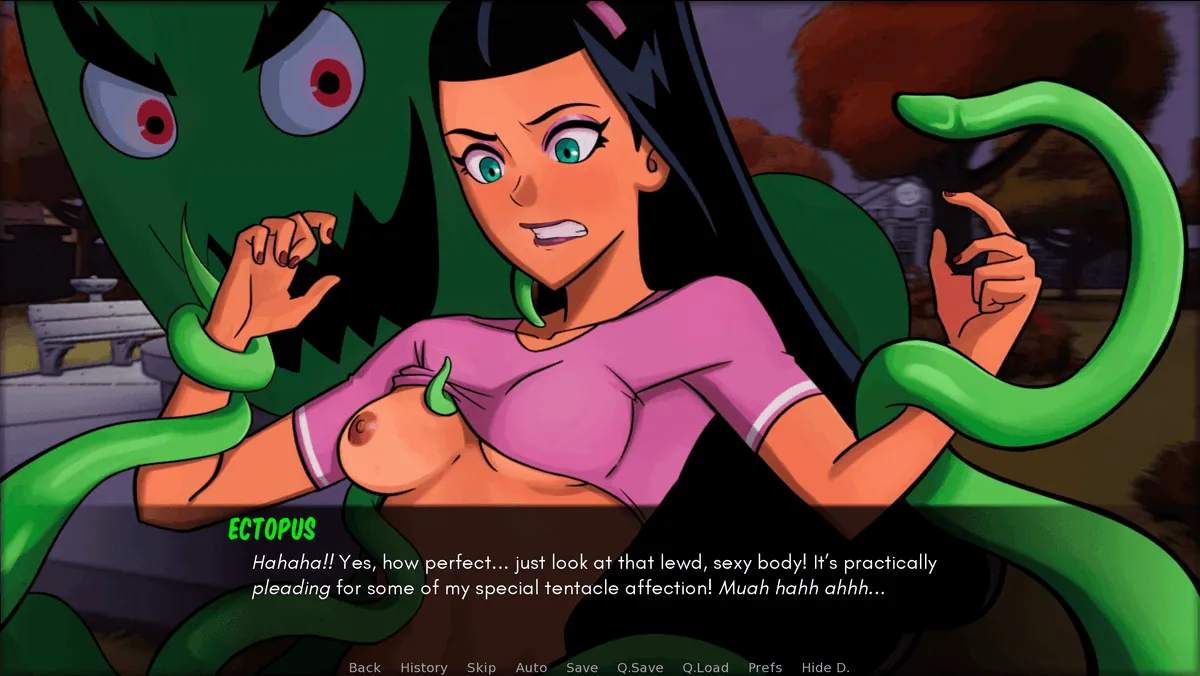
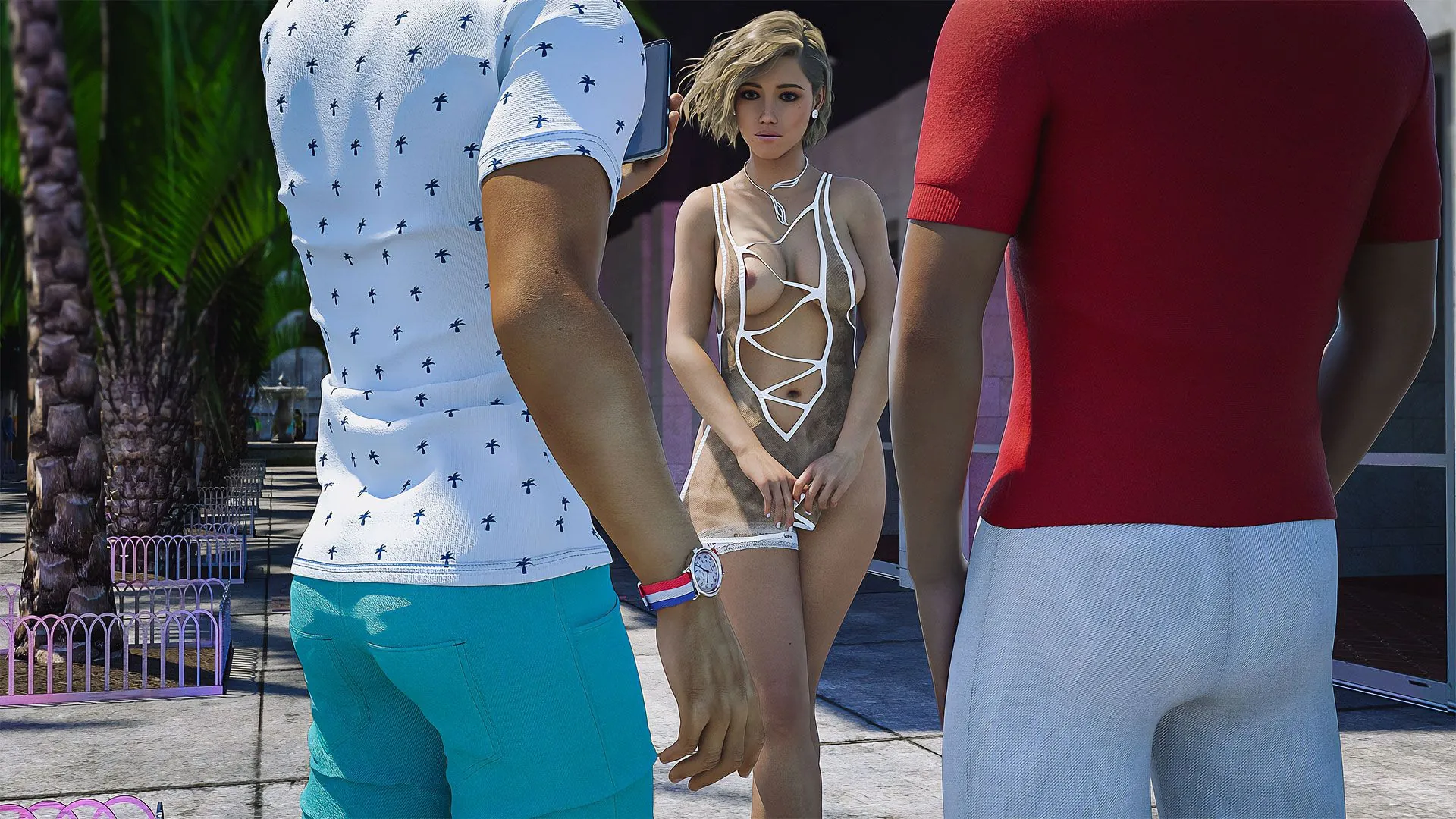
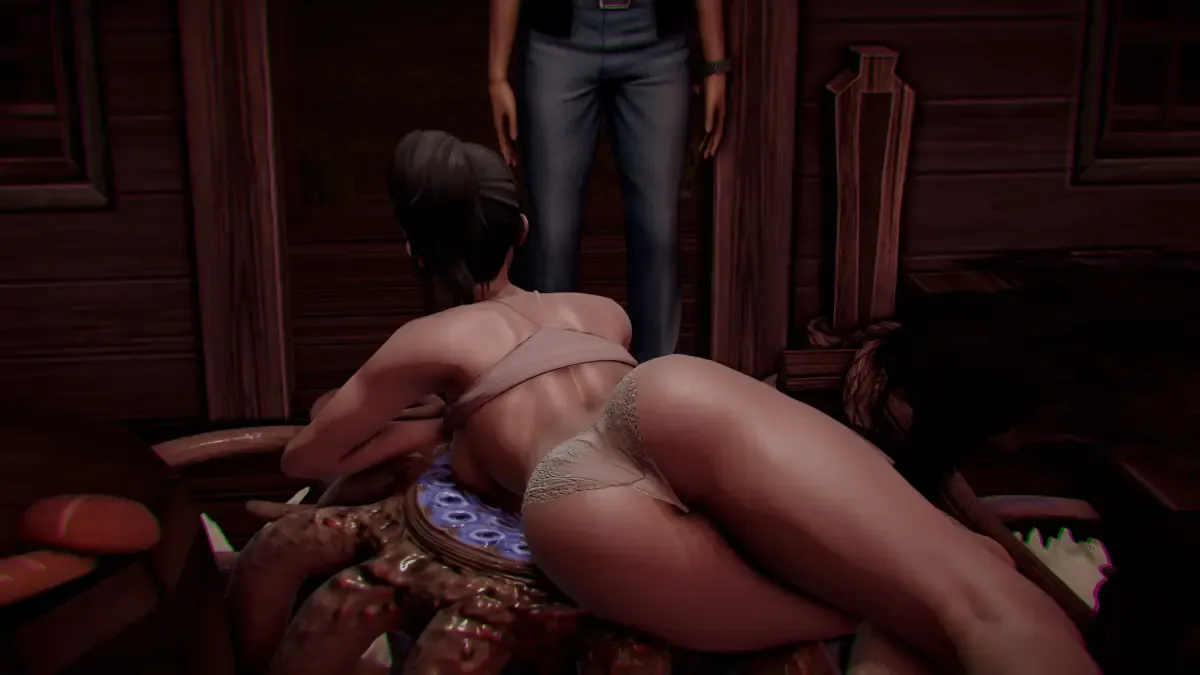
Tainted Heritage – a.k.a Weird Shit Is Going to Happen Screenshots
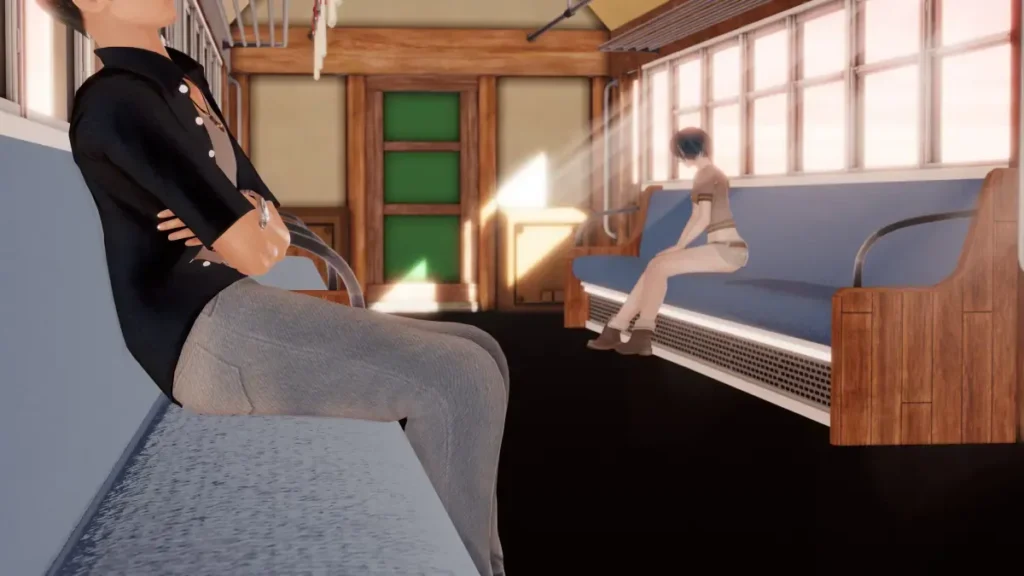
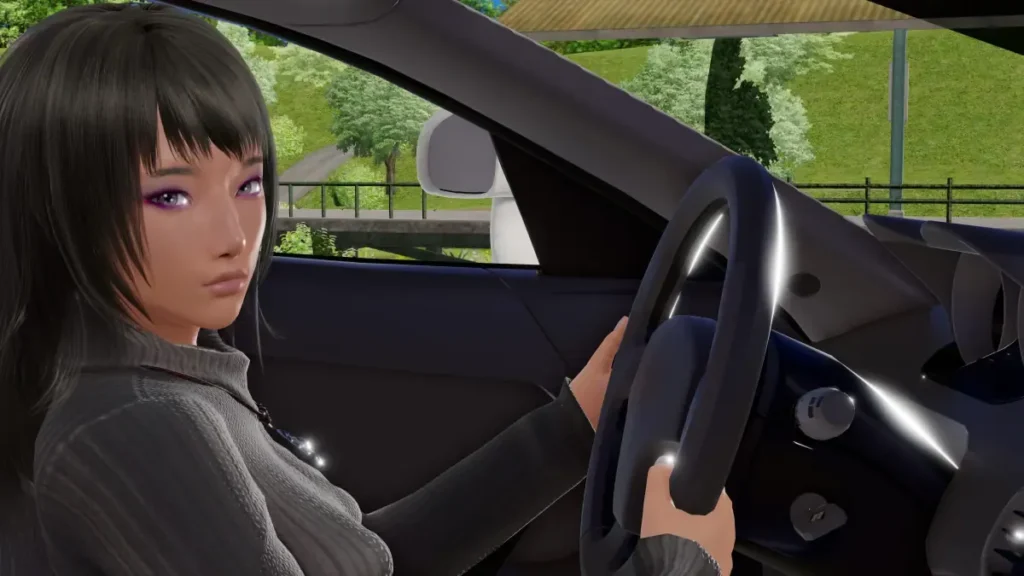
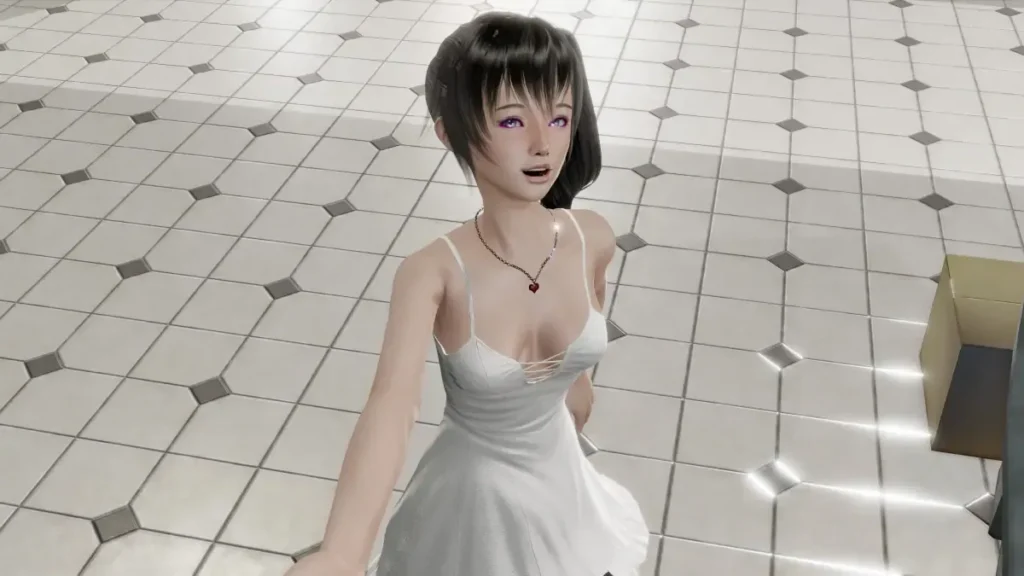
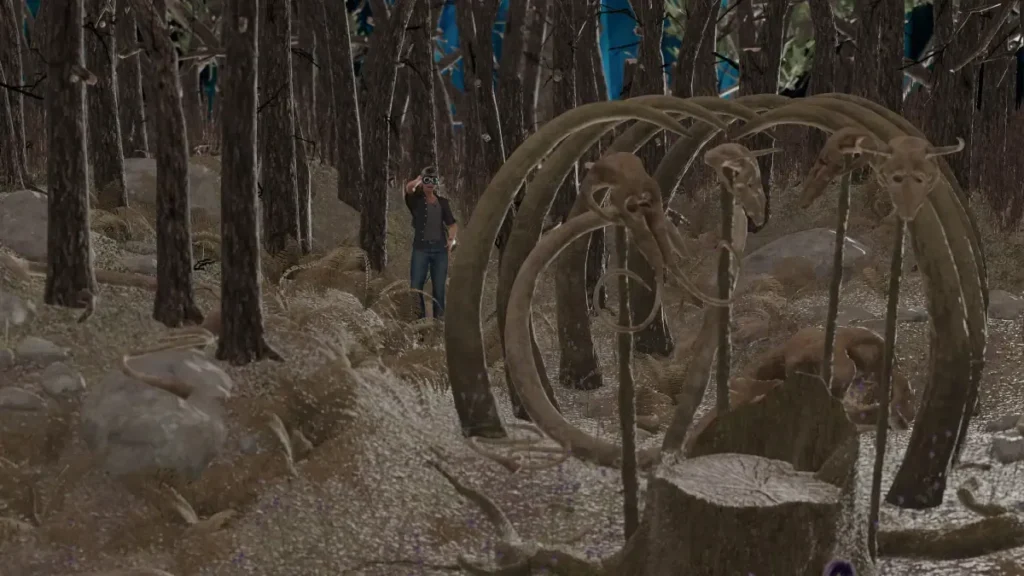
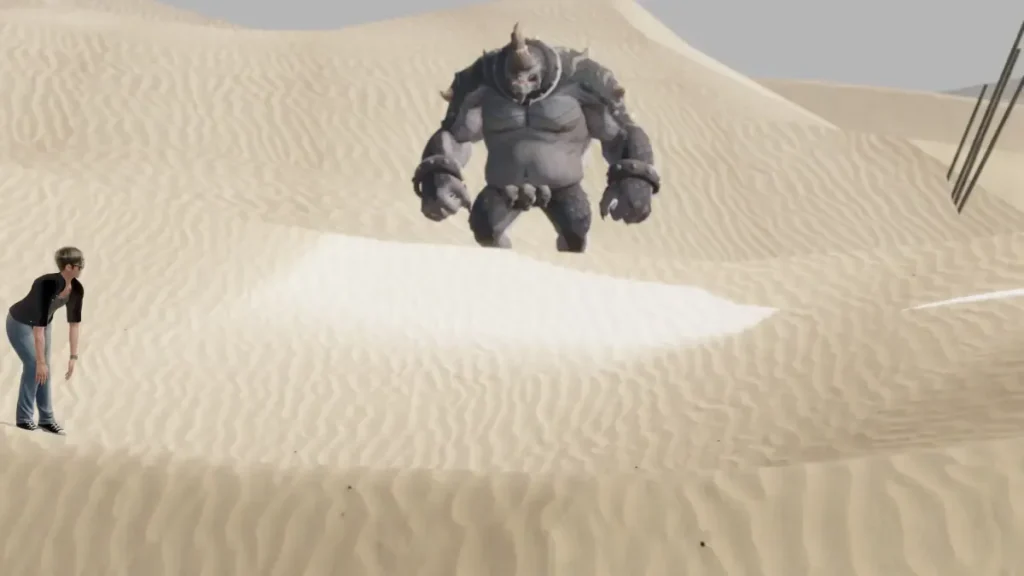
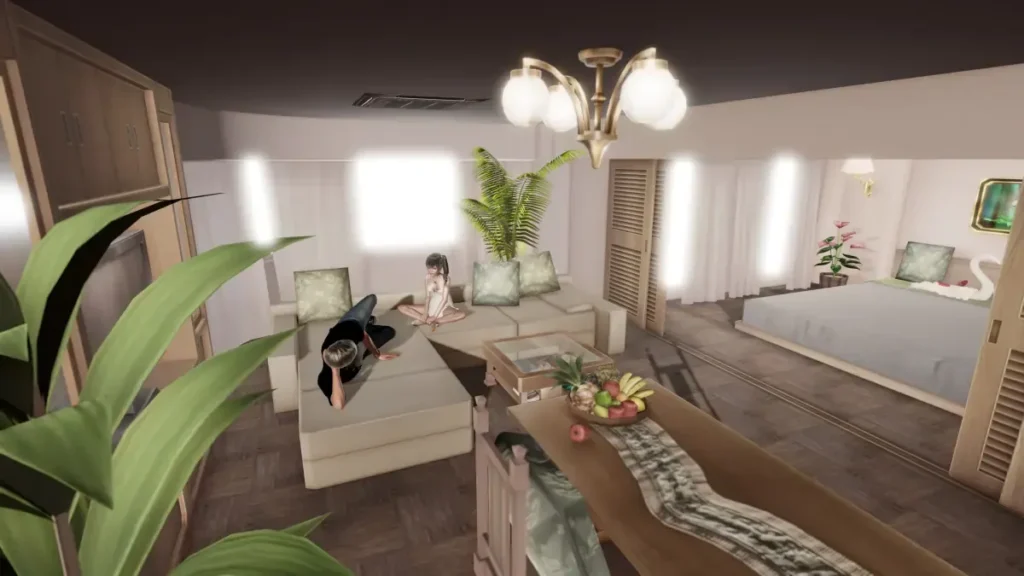
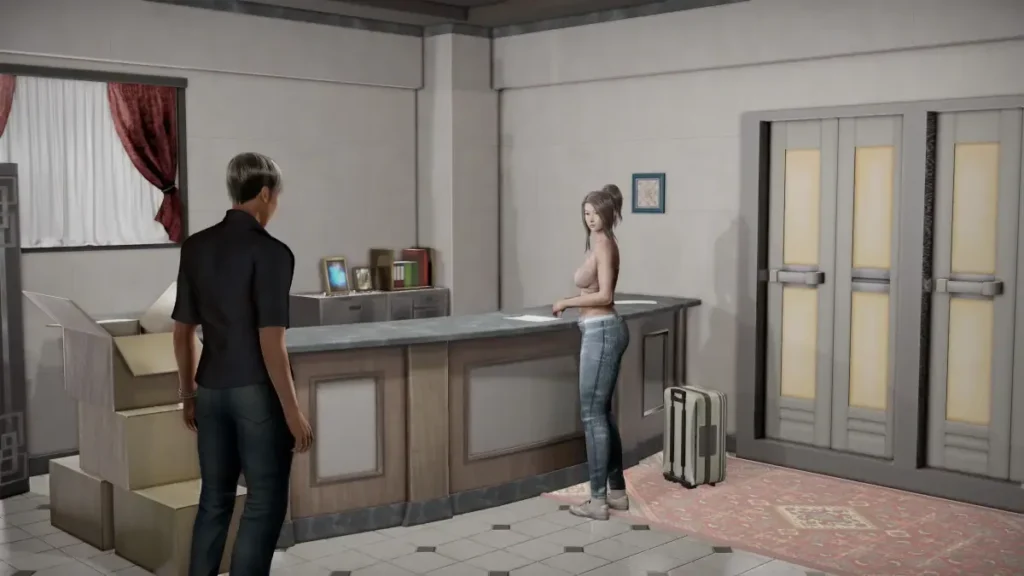
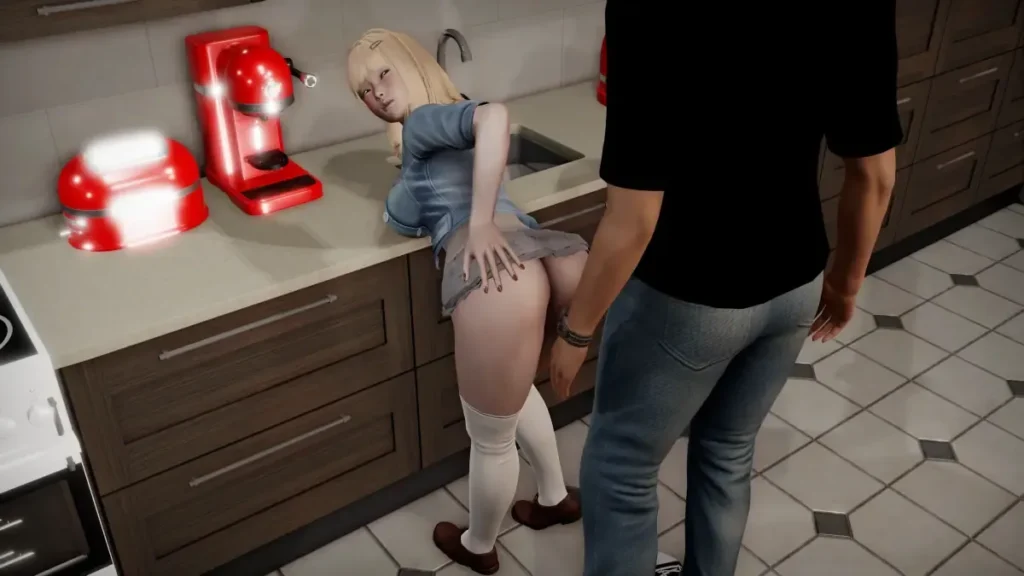
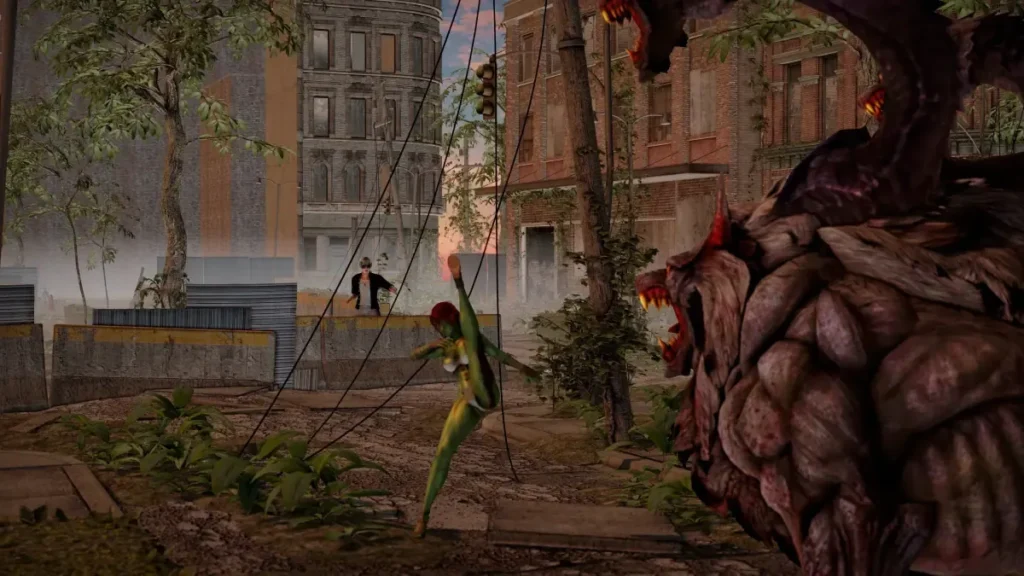
Tainted Heritage – a.k.a Weird Shit Is Going to Happen review
Explore the bizarre world of choices, mystery, and unexpected consequences
Tainted Heritage stands out as a unique visual novel experience that challenges conventional storytelling through its experimental narrative design and player agency. Following a protagonist’s life-altering journey after inheriting a mysterious hotel from his grandfather, this indie title weaves together supernatural elements, complex character dynamics, and consequence-driven gameplay. Whether you’re drawn to unconventional narratives, intricate relationship systems, or games that celebrate the unexpected, understanding what makes Tainted Heritage distinctive helps you decide if this immersive experience aligns with your gaming interests.
Understanding Tainted Heritage: Core Gameplay and Story Foundation
Ever felt like you’ve seen it all in gaming? You pick a dialogue option, you know exactly which relationship point you’ll get. You make a story choice, and you can practically see the branching path light up on a flowchart. It can start to feel… predictable. 🎮
If that resonates, then buckle up. Tainted Heritage – a.k.a Weird Shit Is Going to Happen is here to throw the rulebook out the window. This isn’t your standard romance-or-mystery visual novel; it’s a deep, unsettling, and profoundly personal dive into a world where your choices don’t just change the ending—they rewrite the entire story’s DNA. Let’s peel back the layers of this fascinating indie visual novel experience.
What Is Tainted Heritage and Why It Stands Apart
At its surface, the premise of this Tainted Heritage visual novel is a classic setup. You play as a protagonist who has hit absolute rock bottom: parents gone, career in ruins, drowning in debt. Life has delivered its worst blows. Then, a lifeline appears—an inheritance from a grandfather you barely knew. It’s not a stash of cash, but a sprawling, mysterious hotel in a remote location. It seems like a chance for salvation, a blank slate. 🏨
But as the game’s subtitle cheekily warns you, Weird Shit Is Going to Happen. And it does. Almost immediately, the familiar inheritance tale warps into something inexplicable. The hotel isn’t just a building; it feels like a living, breathing entity with secrets in its walls. You’ll encounter events that defy logic, characters whose motives are shrouded in shadow, and a creeping sense that the “heritage” you’ve received is far more complex—and far more tainted—than mere property.
I remember my first hour playing. I decided to be a cautious, skeptical heir, dismissing the strange noises as old pipes. The game responded not by blocking my progress, but by having characters treat me as naïve, and the strange events became more subtle, more psychological. It felt less like the game was punishing me and more like the world was adapting to my personality.
So, what makes it stand apart? It commits to experimental narrative design in a way few games dare. Unlike traditional visual novels that often funnel you toward a handful of predetermined endings (the “good,” “bad,” and “true” endings), Tainted Heritage employs a systemic approach to choice. Your decisions—big and small, from how you investigate a room to how you speak to a peculiar guest—feed into a hidden narrative algorithm. This system doesn’t just track “points”; it builds a unique profile of your playthrough, influencing character relationships, available plot threads, and even the fundamental nature of the mystery itself.
This philosophy makes it a truly unconventional visual novel. It’s less about finding the “correct” path and more about discovering what kind of story you are willing to believe and participate in. Are the events supernatural? The result of a political conspiracy? A manifestation of the protagonist’s crumbling psyche? The Tainted Heritage gameplay mechanics are built to support all these interpretations and more.
| Feature | Tainted Heritage Approach | Traditional Visual Novel Approach |
|---|---|---|
| Choice Impact | Systemic, shaping narrative tone, available clues, and core mystery. | Branching, leading to specific, defined story paths and endings. |
| Ending Variability | Highly personalized conclusions based on cumulative narrative choices. | A set number of endings (e.g., 5-10) with clear unlock conditions. |
| Player Role | Co-author of a unique narrative experience. | Navigator of a pre-written story maze. |
| Narrative Focus | The “why” and “how” of the mystery is fluid. |
The Protagonist’s Journey: From Loss to Discovery
To understand the weight of your choices, you need to understand the person making them. Our protagonist isn’t a blank slate superhero or a detective with a quip for every occasion. They are broken, vulnerable, and deeply human. The game doesn’t shy away from the raw grief of loss or the crushing anxiety of financial ruin. You feel the weight of their past in every hesitant step through the grand, empty halls of the hotel. 😔
This foundational trauma is crucial. It makes the protagonist—and by extension, you, the player—desperate for answers, for stability, for meaning. When the bizarre events begin, your reaction isn’t just a gameplay choice; it feels like a survival instinct. Will you cling to rationality, trying to explain everything away as you struggle to hold onto your sanity? Or will you embrace the unknown, seeking answers in the hotel’s eerie legacy, even if it means confronting things you cannot understand?
The “heritage” in the title operates on multiple levels. On one hand, it’s the literal, physical heritage of the hotel. On another, it’s the metaphorical and tainted heritage of family secrets and complex, often difficult, familial bonds that the game explores with remarkable nuance. Your journey is one of discovery, but every piece of the past you uncover comes with a cost. You might learn why your grandfather was so distant, but that knowledge could reshape your understanding of your own family in unsettling ways.
This deeply personal starting point is what fuels the game’s emotional engine. The indie visual novel experience shines here, free from the need to cater to a massive mainstream audience, it can explore this grim psychological territory with honesty and depth. Your goal isn’t to “win” or collect all the character profiles; it’s to guide this wounded person through a labyrinth of the strange and decide what, if anything, they can salvage from the wreckage of their past and their new, unsettling present.
How Choice-Based Storytelling Creates Your Unique Narrative
This is where Tainted Heritage – a.k.a Weird Shit Is Going to Happen truly becomes magical. Its core is a robust choice-based storytelling game mechanic, but it implements player agency in games on a level that feels revolutionary. Forget simple morality meters or romance routes. Here, your decisions create a narrative fingerprint that is yours alone.
How does it work? The game’s experimental narrative design uses a behind-the-scenes system that assigns values and weights to your actions. It’s not just what you choose, but the pattern of your choices.
- Are you consistently aggressive and confrontational with the strange hotel guests?
- Do you spend your time meticulously investigating every object, or do you rush toward human interaction?
- When faced with an impossible event, do you document it obsessively or try to destroy the evidence?
These behavioral patterns steer the narrative. The game world reacts to the type of thinker you are. This results in a form of Tainted Heritage gameplay mechanics that feels less like following a script and more like collaborating with an intelligent, responsive story engine.
Let’s look at a concrete example. Early on, you find a strange, pulsating artifact in the hotel basement.
- Playthrough A (The Skeptic): You decide the artifact is dangerous junk, a potential health hazard. You choose to have it professionally removed and disposed of. The narrative evolves into a corporate/conspiracy thriller. Men in suits show up asking questions. You uncover documents suggesting the hotel sits on a site of illicit experimental research. Your “heritage” is one of scientific hubris.
- Playthrough B (The Curious): You hide the artifact in your room, studying it privately. It begins to affect your dreams. The narrative veers into psychological and supernatural horror. You start seeing visions of past hotel residents, and the line between reality and nightmare blurs. Your “heritage” is one of occult legacy and spectral guilt.
- Playthrough C (The Redeemer): You show the artifact to a troubled guest, seeking their opinion, trying to build trust. This act of vulnerability becomes a cornerstone of your story, focusing on building connections with the broken people drawn to the hotel. The narrative becomes one of personal redemption and forming a makeshift family, with the bizarre events serving as a backdrop for human drama.
See the difference? The same core plot point spins out into entirely different genres and themes based on your instinctive choice. This is the power of its choice-based storytelling game philosophy. You aren’t unlocking content; you are authoring it.
To get the most out of this system, here’s some practical, actionable advice:
- Trust Your Gut, Not a Guide: On your first playthrough, resist the urge to look up “best choices.” The most authentic experience comes from reacting genuinely to the story. What would you do in that bizarre situation? Follow that instinct.
- Embrace the “Failure”: There are no game-over screens for “wrong” choices. A decision that closes one door often blows another wide open. A conversation that ends in hostility might lead you to discover a secret passage the friendly route would never reveal. What seems like a mistake is often just a pivot to a different story.
- Pay Attention to Everything: The game’s unconventional visual novel design means details matter. The book title on a shelf, the weather outside the window, a character’s off-hand remark—these aren’t just set dressing. They can become central clues depending on your narrative path.
- Replay with a Different Personality: Once you’ve finished, replay as a completely different person. If you were cautious before, be reckless. If you sought logical answers, now lean into the mystical. You’ll be stunned by how much new content and perspective you discover. It truly feels like a different game.
Available on multiple platforms and with a development team dedicated to refining this unique experience, Tainted Heritage has garnered a passionate following among indie visual novel experience seekers. It’s a game discussed not for its “endings,” but for its “stories.” Players compare their wildly different journeys the way people might discuss alternate interpretations of a complex novel.
In the end, Tainted Heritage – a.k.a Weird Shit Is Going to Happen offers something rare: a story that belongs uniquely to you. It’s a testament to the power of player agency in games and a bold step forward in experimental narrative design. It asks you not just to make choices, but to live with their unexpected, bizarre, and deeply personal consequences. Your inheritance awaits. What will you make of it? 🔍
Tainted Heritage represents a bold departure from conventional visual novel design, offering players a genuinely unique experience through its experimental narrative approach and sophisticated player agency systems. The game’s strength lies in how it weaves together complex character relationships, consequence-driven storytelling, and environmental reactivity to create a world that feels responsive to your choices. Whether you’re exploring political conspiracies, unraveling supernatural mysteries, or pursuing personal redemption, each playthrough reveals new layers of meaning. With its beautiful visuals, engaging pacing, and thoughtful quality-of-life features, Tainted Heritage delivers an immersive journey that celebrates the unexpected. If you appreciate indie games that challenge storytelling conventions and value meaningful player choice, this visual novel deserves a place in your gaming library. Discover what makes your unique interpretation of this bizarre world unfold.