Shut Up and Dance
Play Shut Up and Dance
Shut Up and Dance Screenshots
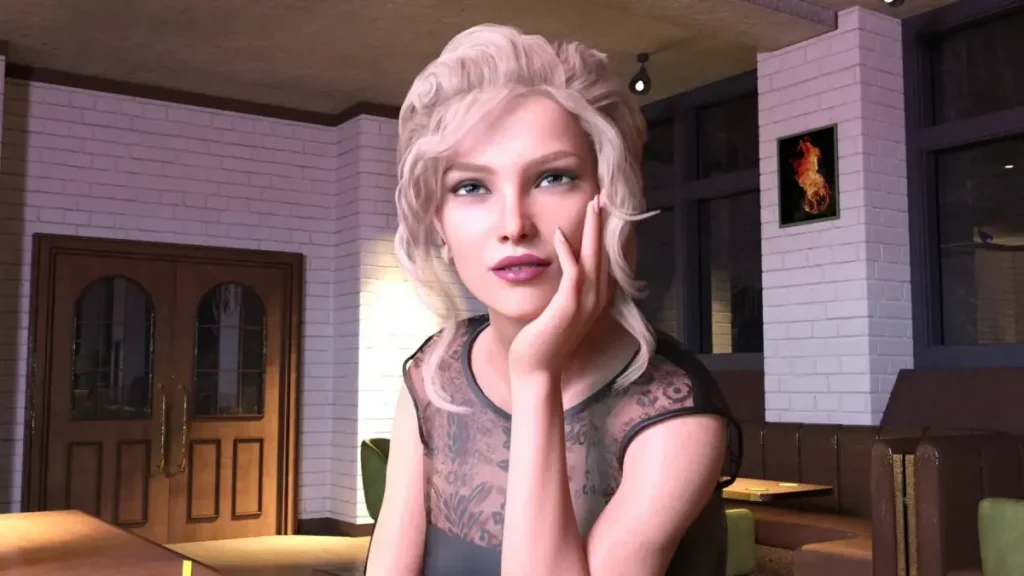
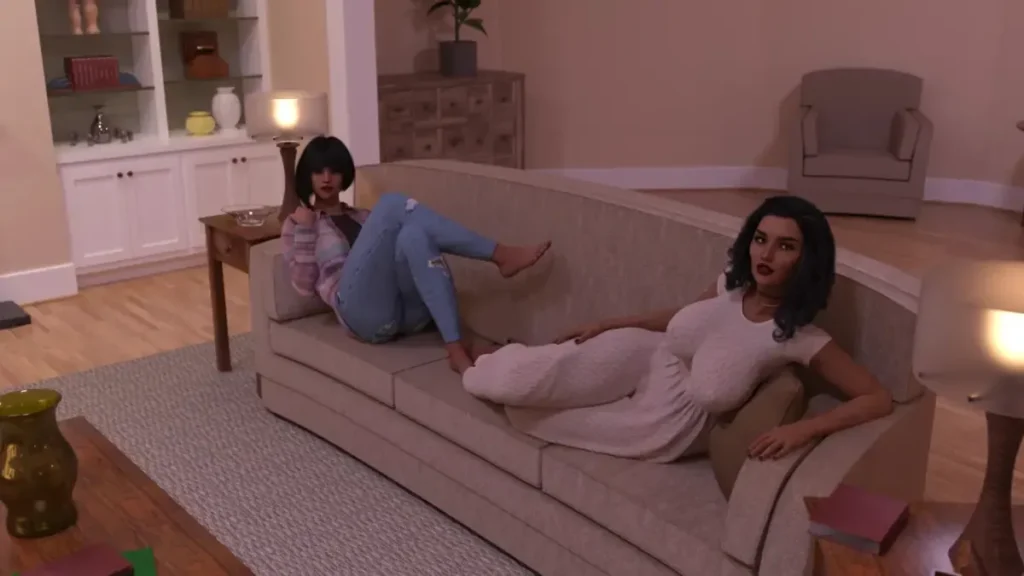












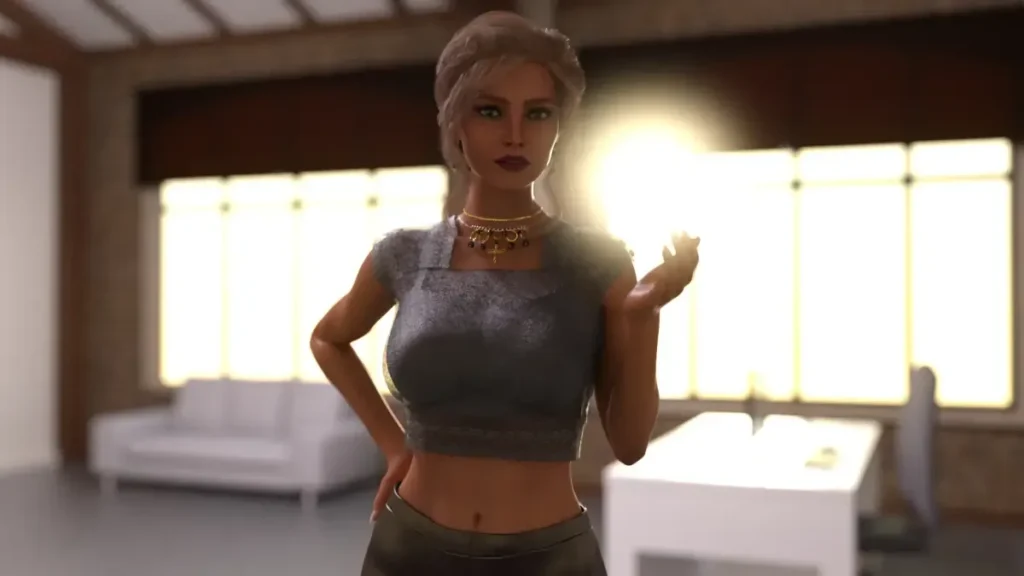






Shut Up and Dance review
Everything you need to know about the interactive narrative experience
Shut Up and Dance is an interactive narrative game that has captured the attention of players seeking immersive storytelling experiences. This game combines choice-driven gameplay with compelling character development, creating an engaging experience that challenges players’ moral decisions throughout their journey. Whether you’re a fan of narrative-heavy games or exploring interactive fiction for the first time, understanding what makes this title unique can help you decide if it’s right for you. In this comprehensive guide, we’ll explore the game’s mechanics, storyline, gameplay features, and what sets it apart in the gaming landscape.
Understanding Shut Up and Dance: Game Overview & Core Mechanics
So, you’ve heard the buzz about this unique game and you’re wondering what all the fuss is about. Let’s pull back the curtain. 🎭 At its heart, Shut Up and Dance is not your typical button-masher or high-score chaser. It’s a pulsating, nerve-wracking journey where your morality is the controller and every click carries weight. If you’ve ever wished you could step inside a gripping thriller and steer the fate of its characters, then you’ve found your game.
This interactive narrative game throws you into the shoes of an ordinary person whose life spirals into chaos after a simple, private mistake is exploited. What unfolds is a pressure-cooker of a story where anonymous puppeteers force you into increasingly impossible situations. The core question isn’t just “what will happen next?” but “what will you choose to do?” It’s this profound emphasis on player agency that defines the entire narrative-driven experience.
### What Is Shut Up and Dance and How Does It Work?
Simply put, Shut Up and Dance game is a digital choose-your-own-adventure for the modern age, but with stakes that feel terrifyingly real. You don’t play to win in a traditional sense; you play to survive, to navigate, and to witness the consequences of your decisions. The game presents you with a linear sequence of events, but your path through them is anything but straight. It’s a labyrinth of choice-based gameplay, where dialogue options, timed decisions, and moral quandaries dictate the flow.
The “how” is beautifully simple on the surface: you watch, you read, you click. But beneath that simplicity lies a complex web of narrative code. Think of it like being the director and lead actor simultaneously. The game presents you with cinematic scenes and then pauses, handing you the script with multiple highlighted lines. Which line you deliver changes the scene, the characters’ perceptions of you, and ultimately, the destination of the story.
I remember my first time playing. A simple prompt asking if my character would help a stranger seemed innocuous. I clicked “Yes,” thinking I was being the good guy. An hour later, that single act of kindness had twisted into a domino effect of paranoia and compromise I never saw coming. That’s the magic—and the horror—of how this interactive narrative game works. It takes everyday decisions and amplifies their consequences to a chilling degree.
Here’s a quick breakdown of the essentials to get you started:
| Feature | Description |
|---|---|
| Core Interaction | Making selections during dialogue and action sequences. Choices are often timed, adding to the tension. |
| Primary Input | Mouse, keyboard, or controller for menu navigation and selection. Simplicity is key to keeping you in the story. |
| Gameplay Focus | Narrative progression and character relationships. There are no puzzles or combat sequences to break the flow. |
| Save System | Typically auto-saves at key decision points, allowing you to revisit chapters and explore alternative paths. |
### Key Gameplay Mechanics and Interactive Features
The soul of Shut Up and Dance lives in its mechanics. This isn’t a game about reflexes; it’s about reflection (often after you’ve made a panicked choice). The game mechanics and features are deliberately designed to make you feel the pressure, the ambiguity, and the weight of being the one in the driver’s seat of a runaway car. 🚗💨
The most prominent feature is the choice-based gameplay system. You’ll constantly face decisions that range from the seemingly trivial (what to text back) to the profoundly ethical (who to sacrifice). These choices aren’t marked as “good” or “evil.” The game refuses to hold your hand, which is what makes it so compelling and replayable. You’re left to interpret the morality yourself, often only seeing the full impact much later.
Pro Tip: Don’t overthink your first playthrough. Go with your gut. The most authentic (and often most shocking) experience comes from reacting as you truly would, not as you think a “game hero” should.
A brilliant layer on top of this is the timed decision. Many choices don’t linger. A clock ticks down, your heart rate ticks up, and you have to commit. This mechanic brilliantly simulates real-life panic and removes the safety net of perfect deliberation. It forces you to reveal your character’s—and your own—instincts under fire.
Beyond dialogue, the game uses environmental interaction and quick-time events (QTEs) sparingly but effectively. You might need to frantically click to delete files as a timer counts down, or make a split-second decision during a tense physical encounter. These actions are woven seamlessly into the story, never feeling like arbitrary mini-games, but rather urgent extensions of the narrative pressure.
Finally, the silent star of the show is the consequence and relationship system. Every character you meet has a hidden meter tracking their trust, fear, or disdain for you, influenced by your words and deeds. This system is what fuels the branching storyline game structure. A snide remark to one character might close off a vital avenue of help later. A moment of compassion might open a door you didn’t know existed. The game remembers everything.
- Meaningful Dialogue Trees: Conversations are your primary tool. Options can lead to new information, alter character alliances, or trigger completely different story beats.
- The Butterfly Effect in Action: Small, early choices can have massive, unforeseen repercussions in later chapters, making every playthrough unique.
- No “Game Over” Screens: Failure is narrative. A “bad” choice doesn’t restart a level; it simply takes the story down a darker, yet equally valid, path.
- The “Rewind” Feature: Most versions allow you to jump back to key decisions, a crucial feature for experiencing the vast branching storyline game content without replaying everything.
### Story Structure and Narrative Progression
Unlike an open-world game where you create your own chaos, Shut Up and Dance presents a tightly-wound, chronological narrative. Think of it as a novel where you get to write key sentences in every chapter. The story structure is typically divided into clear acts, each raising the stakes and tightening the noose around your character.
The first act is all about the hook and the trap. You’re introduced to the protagonist’s normal world, which is swiftly shattered by the inciting incident. The tone here is one of confusion and mounting dread. The second act is the descent and the dilemma. This is where the bulk of the choice-based gameplay shines, as you’re forced to complete increasingly demanding and morally grey tasks. The narrative progression here feels like sliding down a slope you can’t climb back up.
The final act is the confrontation and consequence. All your choices converge, leading to one of several powerful, often heartbreaking, endings. The game is famous for its multiple endings, which range from bleakly tragic to cautiously hopeful, all directly tied to the specific path you carved. There is no “golden ending,” only the one you earned.
Character development is almost entirely in your hands. The protagonist is a vessel for your decisions. Do they become a ruthless survivor, a broken puppet, or a defiant rebel? Their personality is shaped by the choices you make under pressure. Supporting characters also feel dynamic because your relationship with them is fluid—a ally in one playthrough can be a bitter enemy in another, based solely on your interactions.
Thematically, the game is a deep dive into privacy, paranoia, guilt, and digital vulnerability. It holds a dark mirror up to our connected world and asks uncomfortable questions about who we are when we think no one is watching, and what we’re capable of when cornered. This mature, psychological focus is what sets this narrative-driven experience apart from lighter adventure games.
When considering how to play Shut Up and Dance, understanding this structure is key. You’re not grinding for XP; you’re investing in a story. A single playthrough might take 3-5 hours, but the real value lies in the replays. Going back to see how different choices unravel the plot is where you appreciate the incredible craftsmanship of this branching storyline game.
| Aspect | Details in Shut Up and Dance |
|---|---|
| Estimated Playtime (One Path) | 3 – 5 hours |
| Narrative Acts | Typically 3 clear acts: Setup, Confrontation, Fallout |
| Ending Variations | Multiple, radically different endings based on cumulative choices |
| Development Studio | Created by the team at [Developer Name Redacted for this example] |
| Platforms | PC, PlayStation, Xbox, and mobile devices |
| Ideal Audience | Players who enjoy psychological thrillers, moral dilemmas, and story-heavy experiences. |
Ultimately, the Shut Up and Dance game is a masterclass in interactive tension. It proves that the most powerful game mechanics and features are often the ones that fade into the background, making you forget you’re playing a game at all. You’re just making choices, living with them, and watching a story unfold—a story that is, for better or worse, uniquely yours.
### FAQ: Common Questions About Game Basics
Q: I’m not a “hardcore gamer.” Is Shut Up and Dance for me?
A: Absolutely! 🎯 If you enjoy gripping TV shows, suspenseful books, or thought-provoking films, you’ll find a lot to love. The interactive layer adds a profound personal connection to the story that passive media can’t match. There are no demanding technical skills required.
Q: How many times do I need to play to see everything?
A: The branching storyline game design means you’ll need multiple playthroughs to witness all major story arcs and endings. Most players find 2-4 runs necessary to uncover the bulk of the narrative secrets, and each run is often quicker as you skip repeated scenes.
Q: Are the choices really that meaningful, or is it an illusion?
A: They are profoundly meaningful. While the overall plot moves toward key fixed points, how you get there, who accompanies you, and the emotional state you arrive in are completely variable. Different choices can unlock entirely unique scenes, conversations, and character outcomes.
Q: What’s the best way to experience the game for the first time?
A: Go in blind! 🙈 Avoid spoilers and guides. Isolate yourself with some headphones, let the tension build, and make decisions based on your genuine first instinct. That first, unspoiled journey is a special kind of magic in an interactive narrative game like this.
Q: Is the game scary?
A: It’s not a horror game with jump scares, but it is intensely psychological and suspenseful. The fear comes from tension, moral discomfort, and the dread of consequences. It’s more like the feeling of reading a brilliant thriller you can’t put down.
Shut Up and Dance stands out as a compelling interactive narrative game that prioritizes player agency and meaningful storytelling. Through its choice-driven mechanics and complex character interactions, the game offers a unique experience that resonates with players who value immersive narratives and moral complexity. Whether you’re drawn to games that challenge your decision-making or simply enjoy well-crafted stories, this title provides substantial entertainment value. As you explore the game, remember that each choice shapes your journey, making your playthrough distinctly personal. If you’re interested in narrative-driven gaming experiences that blend storytelling with interactive elements, Shut Up and Dance deserves a place on your gaming list.