My Pig Princess
Play My Pig Princess
My Pig Princess Screenshots




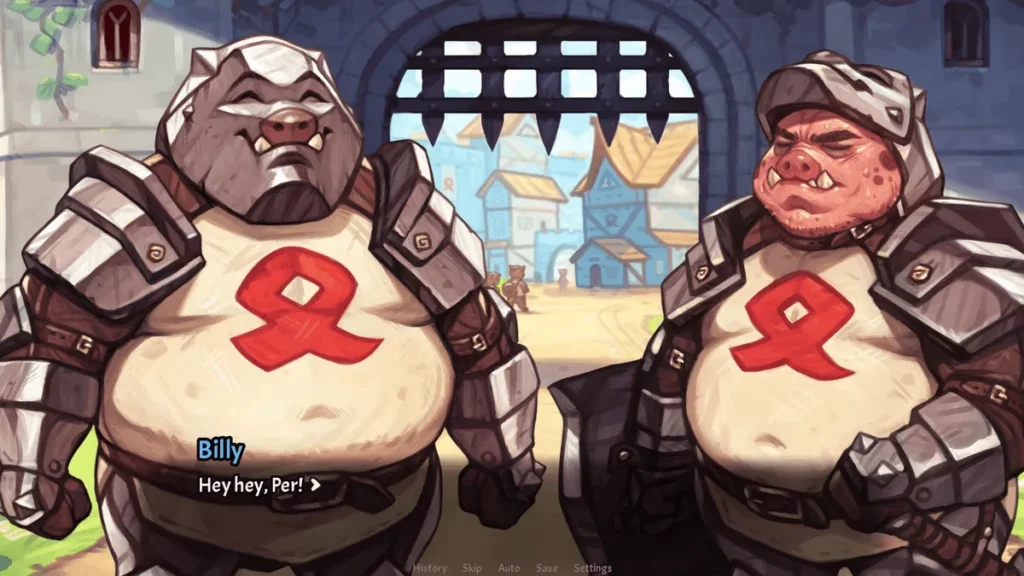
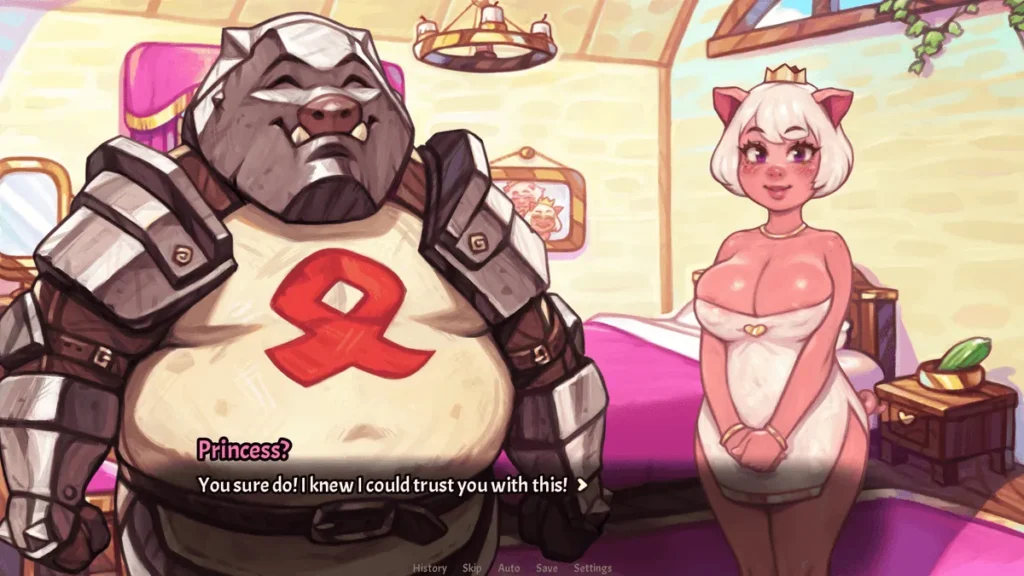
My Pig Princess review
Explore gameplay mechanics, character development, and what makes this indie title unique
My Pig Princess has garnered attention within the indie gaming community for its distinctive artistic style and character-driven narrative. This guide explores the game’s core mechanics, character development systems, and what sets it apart in the indie gaming landscape. Whether you’re a seasoned player or curious about the title, this comprehensive overview covers everything you need to know about the game’s features, progression systems, and community feedback. Understanding what makes My Pig Princess resonate with players requires examining its unique approach to storytelling and character interaction.
Understanding My Pig Princess: Gameplay Mechanics and Core Features
Let me tell you a story. I booted up My Pig Princess expecting a cute, simple farming sim. An hour later, I found myself hunched over my keyboard, paralyzed by a choice: should I give the last Sunberry in my inventory to the shy bard pig to encourage his poetry, or to the gruff blacksmith pig to repair the town’s broken well? My decision, I knew, would ripple through the entire community. That’s the moment I realized this wasn’t just another game; it was a masterclass in weaving relationship building gameplay into the very heart of an experience. 🐷✨
This indie gem doesn’t just let you befriend characters; it makes you care for a community, where every interaction is a thread in a larger, living tapestry. If you’re curious about what makes this title so special, you’re in the right place. Let’s dig into the magical, muddy, and utterly charming world of its core systems.
What Makes My Pig Princess Stand Out in Indie Gaming
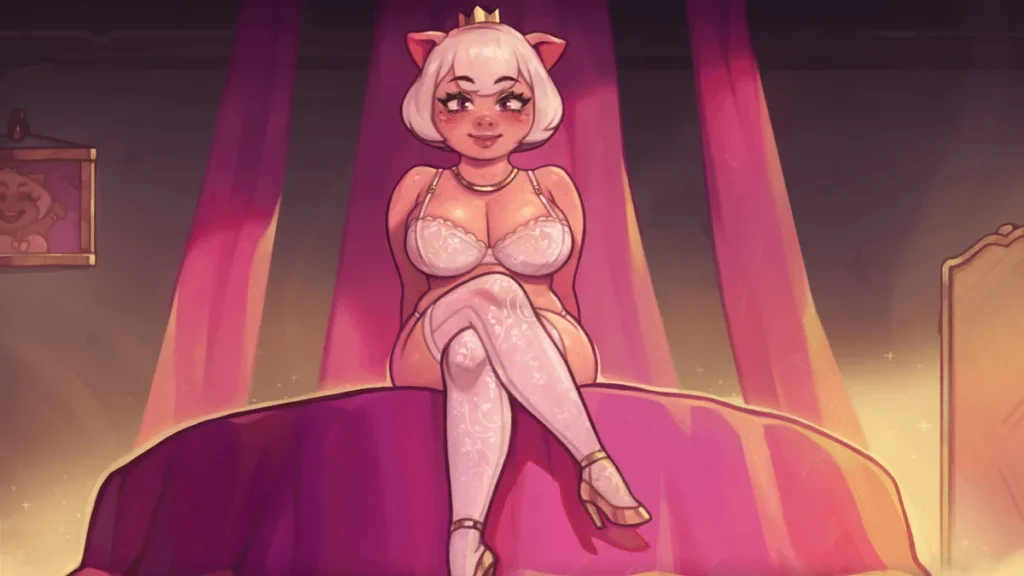
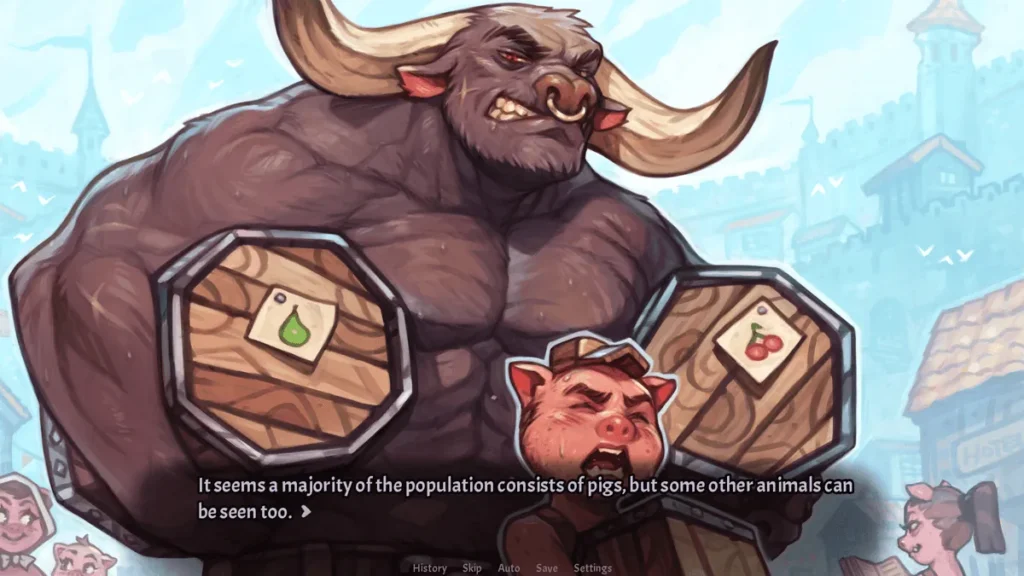
In a sea of pixel-art farming and life sims, My Pig Princess carves out its own delightful pen. Its uniqueness isn’t found in a single groundbreaking feature, but in how elegantly it blends familiar indie game mechanics into a cohesive, character-driven whole. The first thing that grabs you is its visual charm—a watercolor-esque art style that feels like a storybook come to life, with characters whose expressions tell a story before they even speak a word.
But the real magic is in the philosophy behind the My Pig Princess gameplay. It operates on a simple, powerful principle: everything is connected. The carrot you grow isn’t just a sellable item; it’s a potential gift for a homesick chef, an ingredient for a quest, or a seed for a future trade. This design creates a wonderfully satisfying loop where no action feels wasted. You’re not just managing resources; you’re nurturing relationships and a story with every seed planted and every gift given.
The game confidently avoids the common pitfall of overwhelming grind. Progression feels natural and rewarding because it’s tied directly to the people you help. Need a better fishing rod? Instead of just grinding ore, you’ll likely need to befriend the reclusive fisher-pig by completing a short story arc about her past. This makes the character progression system feel deeply personal and narrative-driven, rather than a mere checklist of upgrades. It’s a brilliant piece of indie game mechanics that prioritizes meaningful engagement over mindless repetition.
Character Progression and Relationship Systems
This is where My Pig Princess truly shines. Forget simple friendship meters that fill with repetitive gifts. The game introduces a sophisticated, layered approach to bonding with its cast. Each of the My Pig Princess characters has a multi-faceted personality, represented by core Traits (like “Creative,” “Melancholic,” or “Bold”) and evolving Interests.
Here’s how it works in practice: When you interact with a character, your dialogue and action choices can resonate with their Traits. Agreeing with a Bold character’s risky plan or appreciating a Creative character’s art will strengthen your bond in a more meaningful way than just handing them a generic “liked” item. This character relationship system requires you to actually listen and learn about who these characters are.
| Character | Key Personality Traits | Core Relationship Mechanics |
|---|---|---|
| Princess Oink (The Protagonist) | Determined, Kind, Inquisitive | Your actions define her legacy. Choices influence her leadership style and how the kingdom views her. |
| Baron Trotter | Traditional, Stoic, Loyal | Bond grows through demonstrating responsibility and respect for kingdom history. Shares wisdom on governance. |
| Maribel (The Bard) | Creative, Melancholic, Dreamer | Responds to artistic gifts and engaging with her poetry. Helping her find inspiration unlocks new stories and songs for the town. |
| Griff the Blacksmith | Bold, Pragmatic, Protective | Respect is earned through hard work and aiding town defense. Prefers actionable help over trinkets. |
| Professor Snout | Analytical, Curious, Forgetful | Friendship deepens by assisting his research, finding rare artifacts, and engaging in logical dialogue puzzles. |
The character progression system is a two-way street. As your relationships deepen, you don’t just unlock cutscenes or recipes; you literally unlock new capabilities for your character and the town. Become close friends with Griff, and he might teach you advanced forging techniques, permanently upgrading your tool quality. Help Maribel overcome her writer’s block, and she’ll compose a ballad that boosts the morale (and efficiency) of all townsfolk for a season.
This creates an incredible sense of agency. Your social network is your skill tree. The pacing is perfect—new abilities and story beats unlock organically just as you’re ready for them, keeping the My Pig Princess gameplay fresh and motivating across dozens of hours. It’s a masterful demonstration of how relationship building gameplay can be the core engine of progression.
Narrative Structure and Player Choices
If the relationship system is the heart, the narrative structure is the soul. My Pig Princess presents its story not as a linear plot, but as a series of interconnected character arcs that you curate. The major plot points about reclaiming and restoring the kingdom are always there, but how you achieve them, and whose personal stories you prioritize along the way, is entirely up to you.
The game’s approach to narrative choices in games is beautifully nuanced. You won’t often see blunt “Good vs. Evil” dialogue options. Instead, you make choices that reflect your priorities and values. Do you use the kingdom’s limited funds to restore the ancient library (pleasing Professor Snout and unlocking historical knowledge) or to rebuild the tavern (boosting town morale and unlocking new trade opportunities)? Both are “good,” but they steer the kingdom’s culture in different directions and strengthen your bond with different factions.
These choices have tangible consequences that aren’t just cosmetic. Investing in the library might later give you a crucial clue to solve an environmental puzzle, while investing in the tavern might net you a rare item from a traveling merchant. This makes every decision feel weighty and interesting, encouraging multiple playthroughs to see how different relationship paths alter the kingdom’s development.
The depth of the My Pig Princess characters is revealed through these arcs. A character who seems one-note at first will slowly unveil layers of backstory, hopes, and fears through quests that feel personal. I remember spending one in-game week helping Maribel the bard gather scattered pages of her mother’s old songs. It was a simple fetch quest in structure, but the writing and the gradual revelation of her family’s story made it one of the most memorable chapters in my playthrough. This is the power of its character relationship system—it turns tasks into meaningful tales.
The community has consistently praised how these storylines avoid predictable tropes. Characters grow, regress, and have disagreements independent of you. You’re not a puppet master controlling static dolls; you’re a friend influencing a dynamic, living community. This commitment to authentic narrative choices in games and organic character development is what sets My Pig Princess gameplay apart and cements its status as a beloved indie standout. It proves that a game can be gentle in its presentation but profound in its emotional impact. 💖
Pro Tip: Keep a journal in-game or on the side! Jotting down characters’ mentioned likes, dislikes, and personal history makes navigating the deep character relationship system much easier and helps you make more meaningful narrative choices in games.
FAQ: Common Questions About Character Development
How quickly do the My Pig Princess characters’ storylines progress?
The pacing is deliberately organic. Major story beats for each character are gated behind both your relationship level and sometimes seasonal events or main story milestones. You can’t rush a full arc in a week, which makes the payoffs feel earned and realistic. It encourages you to live in the game world naturally.
Can I miss out on character content permanently?
The game is very forgiving. While certain seasonal events or specific narrative branches might be locked after a choice, core character arcs and relationship milestones are always available. You cannot “fail” a relationship entirely; you might just take a longer or different path to understanding a character. This reduces stress and supports exploration.
Do my choices in one character’s arc affect my relationships with others?
Absolutely, and this is one of the most sophisticated parts of the relationship building gameplay. Characters talk to each other! If you consistently side with one faction (like the traditionalists led by Baron Trotter), more progressive characters like Maribel might be initially cooler towards you. Reconciling these dynamics becomes a rewarding part of the late-game narrative.
What’s the best way to approach the character progression system?
Play to your own curiosity, not a guide. Talk to everyone daily, give gifts that feel personally thoughtful based on what you’ve learned about them, and say “yes” to their personal quests. The game rewards genuine engagement. Trying to min-max relationships can ironically make the process feel slower, as the system rewards depth of interaction over transactional efficiency.
Is there a “post-game” after the main story?
Yes! Once the central kingdom storyline is resolved, the game transitions into a rich “endgame” focused entirely on deepening all your relationships, witnessing final character epilogues, completing personal collections, and using your fully unlocked abilities to perfect your kingdom. The My Pig Princess gameplay loop remains satisfying long after the credits roll.
My Pig Princess represents a distinctive entry in the indie gaming space, combining engaging character development with thoughtful narrative design. The game’s focus on relationship building and character progression offers players a meaningful experience that extends beyond traditional gameplay mechanics. Community reception highlights the quality of character artwork and the depth of character interactions, though some players have noted preferences for slower character development pacing. For those interested in character-driven indie titles with strong artistic presentation, My Pig Princess delivers a compelling experience that rewards player investment in character relationships and story progression.