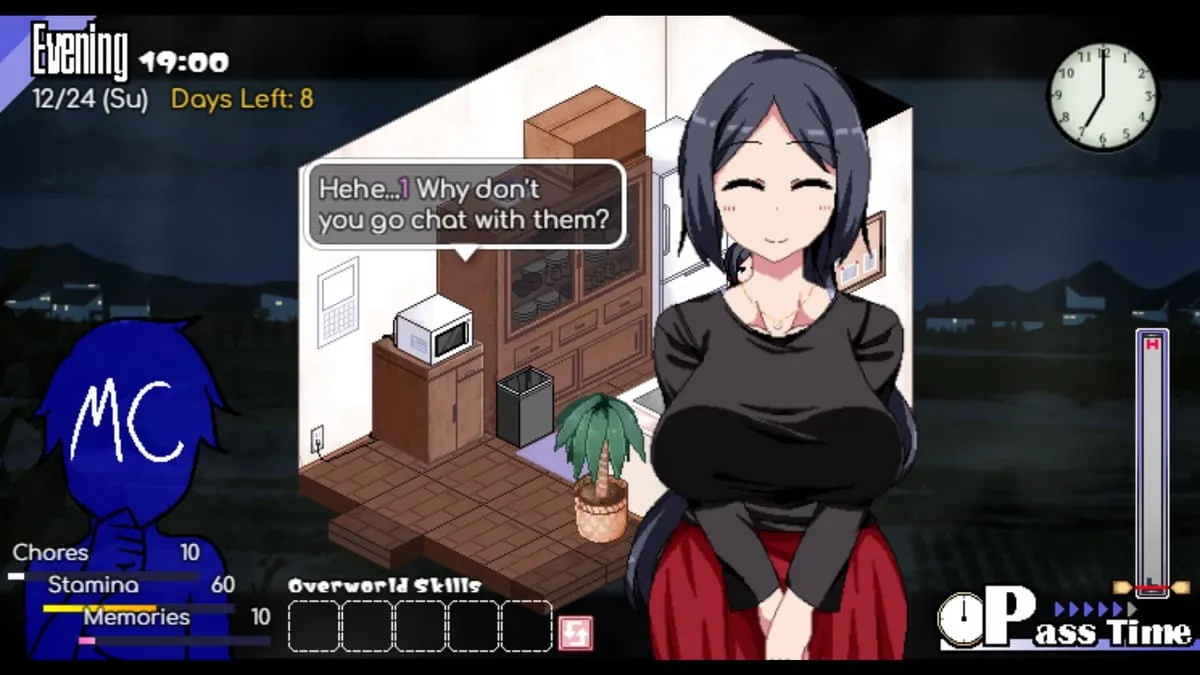
Artemis
Play Artemis
Artemis Screenshots





































Artemis review
A personal look at Artemis, its narrative style, characters, and how to get the most from your playthrough
Artemis is a narrative‑driven game that blends character‑focused storytelling, player choice, and a slow‑burn, adult‑oriented atmosphere. From the first minutes, you can feel it is designed less like a typical action title and more like an interactive series, where conversations and decisions shape everything that follows. When I first tried Artemis, I expected a quick, throwaway experience, but I ended up staying for the characters, the writing, and the surprisingly grounded tone. In this guide, I will walk you through how Artemis plays, what makes its cast engaging, and the choices you should think about if you want a satisfying run.
What Is Artemis and Why Has It Gained So Much Attention?
You’ve probably seen the name pop up in forums or on gaming blogs: Artemis. It’s one of those titles that generates a quiet but persistent buzz. If you’re like I was, you might be wondering what all the fuss is about. Is it just another flash-in-the-pan indie project, or is there something more substantial here? 🧐
Let’s cut through the noise. This chapter is your straightforward, spoiler-light introduction to exactly what Artemis is, why it’s caught the eye of so many players, and whether you should consider diving in yourself. Forget dry, technical descriptions—we’re going to look at the heart of the experience.
Artemis Game Overview and Core Premise
So, what is Artemis? At its core, the Artemis game is a story-driven, adult-oriented visual novel experience. Think of it less as a traditional “game” with action sequences and puzzles, and more like an interactive, choose-your-own-adventure television series where you are both the director and a lead actor. Your primary tools are attention, empathy, and decision-making, not a weapon or a jump button.
The Artemis game premise is elegantly grounded. You step into the shoes of a central character navigating the complexities of modern life—career, friendships, personal history, and new relationships. There’s an overarching narrative that simmers in the background, but the immediate focus is on the beautifully mundane and intensely personal. You’ll spend time in cafes, apartments, and workplaces, having conversations that range from witty and lighthearted to vulnerable and profound. The drama emerges from character development and the consequences of your choices, not from world-ending catastrophes.
Progression is episodic. The story unfolds in chapters, allowing the plot and relationships to develop with a natural, sometimes patient, rhythm. A robust save system is your friend, as the dialogue choices you make can subtly or dramatically alter the path of your story. This isn’t just cosmetic; relationships can deepen, strain, or change course based on your inputs, creating a powerful sense of agency. This Artemis story overview only scratches the surface, but it highlights the game’s commitment to a character-driven narrative.
Storytelling Style and Tone Compared to Similar Games
If you’ve played other narrative games like Life is Strange or Disco Elysium, you’ll recognize the DNA of choice-based storytelling. However, Artemis carves out its own distinct space. It consciously strips away supernatural elements or detective work to focus purely on interpersonal dynamics and personal growth. The tone is contemporary, introspective, and often feels strikingly authentic.
The pacing is a key differentiator. While some narrative games use their dialogue to bridge explosive set pieces, Artemis trusts the dialogue to be the set piece. A tense conversation over a spilled drink can carry as much weight as a boss fight in another genre. The writing prioritizes emotional authenticity over plot twists, making the stakes feel personal and real. You’re not saving the city; you’re trying to understand a friend, navigate a tricky social situation, or decide whether to open up about your own past.
Compared to many visual novels, Artemis presents a more cohesive, singular vision. It’s less about collecting romantic partners and more about exploring the nuanced tapestry of human connection, with all its imperfections. The “adult-oriented” label speaks to its mature themes—handling complex emotions, personal responsibility, and the quiet struggles of adulthood—rather than serving as a mere euphemism. The atmosphere it builds is one of its greatest strengths: a mix of melancholic nostalgia, hopeful uncertainty, and the warmth of genuine connection.
My First Impressions After a Full Playthrough
I’ll be totally honest: I clicked on Artemis with fairly low expectations. I expected a passable story with standard art, something to kill a few hours. I was not prepared to be genuinely moved and invested.
“I realized I’d been staring at a single dialogue option for nearly five minutes, paralyzed by the potential fallout. That’s when I knew Artemis was something special.”
Early on, there’s a moment where a character makes a self-deprecating joke about their career. You’re given a few response options: you can laugh along, offer gentle encouragement, or challenge their negativity more directly. I chose what I thought was a supportive, lighthearted response. Hours later, in a completely different scene, that character referenced that exact moment, thanking my protagonist for not piling on when they were feeling vulnerable. The game had remembered, and it made the relationship feel tangible and earned. It wasn’t a flag on a checklist; it was a memory shared between two people.
This is the magic of a well-crafted Artemis game review: it’s in these quiet, cumulative moments. The beautiful, distinctive character art made each person feel unique, and the voice of the writing gave them a consistent personality. I found myself thinking about the characters between play sessions, wondering how they were doing—a sure sign the narrative had its hooks in me.
So, why has Artemis gained so much traction? It’s not through flashy marketing, but through word-of-mouth from players who were surprised by its depth. Here’s a quick breakdown of what I believe are the core reasons for its attention:
- Exceptional Writing: The dialogue and internal monologue feel authentic and grounded, avoiding cliché.
- Distinctive Art Style: The visual presentation creates a strong, consistent atmosphere that complements the story perfectly.
- Profound Character Depth: Each major character has a believable history, motivations, and flaws.
- Meaningful Choice Impact: Decisions resonate, changing relationships and story beats in noticeable ways.
- Immersive Atmosphere: The game builds a specific, relatable mood that pulls you into its world.
Closing the Loop: Is Artemis Worth Playing?
This brings us to the million-dollar question posed in every Artemis game review: is Artemis worth playing?
If you are an adult player who values narrative, cherishes well-developed characters, and enjoys games where your choices shape a personal journey, then the answer is a resounding yes. It is absolutely worth your time. It stands out for its commitment to emotional realism and its patient, confident storytelling. It doesn’t try to be everything to everyone; it excels at being a specific, heartfelt experience.
The Artemis visual novel format is the perfect vehicle for this story, offering an intimacy that faster-paced games often miss. It’s a game for nights when you want to be thoughtful, not twitchy. For players who want to see a reflection of life’s complicated, beautiful relationships in their gaming time, Artemis is a compelling destination.
To get the very most out of it, however, you’ll want to understand its cast and the nuances of its choice system. Because in Artemis, the real adventure isn’t in saving the world—it’s in understanding the people in it, and perhaps, understanding a little more about yourself in the process. That journey is what we’ll delve into next.
Artemis is ultimately a game that lives and dies on its characters, writing, and the weight of your decisions. If you enjoy narrative‑driven experiences that unfold slowly and reward careful choices, it offers a surprisingly engaging journey built around relationships and personal moments rather than relentless action. From my own time with Artemis, the most memorable parts were not the obvious highlights but the small, quiet scenes where a single line of dialogue changed how a character looked at me. If you go in with patience, pay attention to the conversations, and stay true to the type of protagonist you want to role‑play, Artemis can feel less like a simple game and more like an ongoing story you are actively co‑writing. If that sounds appealing, it is worth giving Artemis a serious try.