Aperture
Play Aperture
Aperture Screenshots
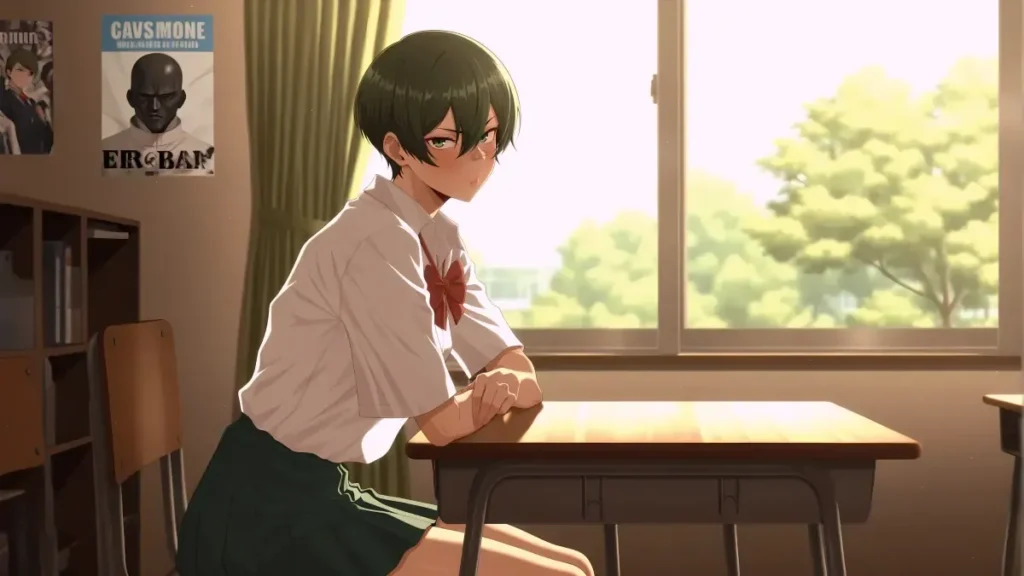
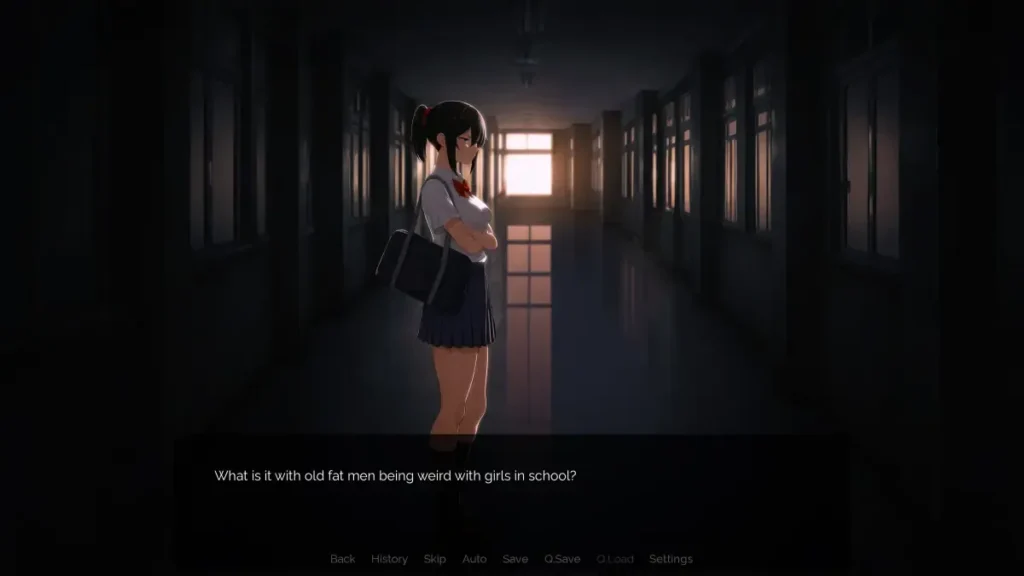

Aperture review
Unlock steamy secrets, puzzles, and emotional twists in this captivating visual novel
Ever collided with destiny on your first day at a new school, only to shatter a camera and spark an unforgettable adventure? That’s how Aperture pulls you in—a gripping visual novel blending mystery, emotional drama, and steamy encounters at Hoshino Academy. As Keita, the sharp-tongued transfer student, you join Rin Tomoya, the passionate photography club president, to make amends for breaking her gear. What starts as innocent outings turns into a tale of slow corruption, mounting anxiety, and intense relationships. I’ve lost nights to its branching paths and vivid anime-style scenes; let me share insider tips to maximize your playthrough and uncover every hidden desire.
What Makes Aperture’s Story and Setting Unmissable?
I still remember my first night with Aperture. I’d heard the whispers about it being a tense NTR visual novel, but nothing prepared me for the slow, sinking feeling in my stomach as the story unfolded. It wasn’t about shock value; it was about the quiet dread of watching something beautiful fray at the edges. At the heart of this unforgettable experience is the Aperture story—a masterclass in emotional tension set against the backdrop of the prestigious, yet deeply flawed, Hoshino Academy. If you’re wondering what is Aperture game plot? at its core, it’s a story about protection, corruption, and the painful cost of standing by your principles.
Who Is Keita and How Does He Meet Rin Tomoya?
Our window into this world is Keita Aperture, an 18-year-old who arrives at Hoshino Academy with a shadow hanging over him. 🎒 His backstory is key: he was expelled from his previous school, not for mischief, but for an overzealous sense of justice—defending a friend led to a physical altercation with a teacher. This tells you everything about Keita Aperture: he’s fiercely loyal and impulsive, a knight in slightly tarnished armor looking for a fresh start.
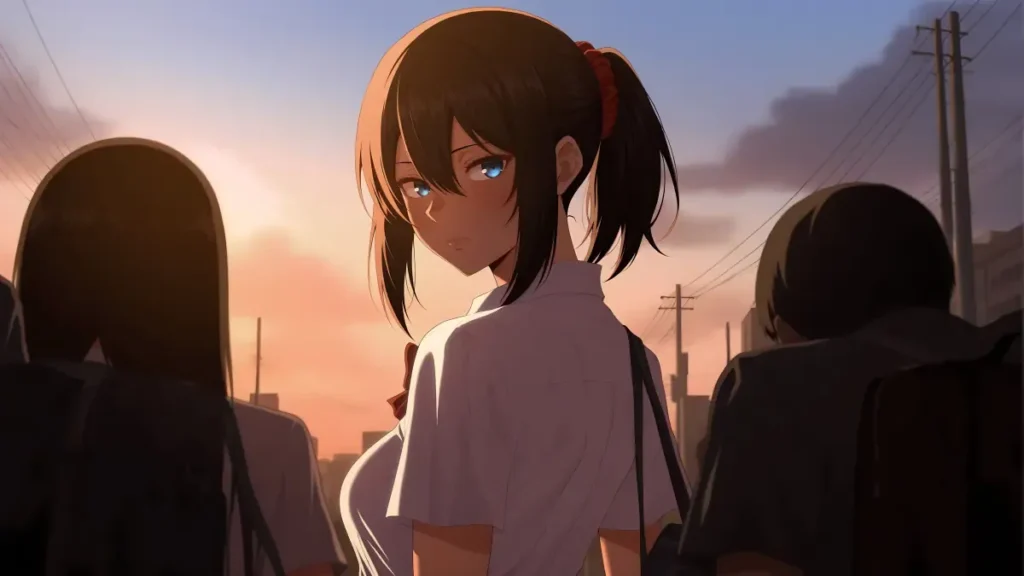
His first day is a cinematic disaster (literally). Rushing through the ornate gates of Hoshino Academy, he collides with a girl completely absorbed in her viewfinder. The crash is awkward, the camera hits the ground, and thus begins his fateful connection with Rin Tomoya. 😅 She’s the sole, passionate member of the school’s dying Photography Club, and that broken camera is her lifeline. To make amends, Keita is roped into joining her club and assisting on her photo outings around town.
This meet-cute is deceptively sweet. Rin is initially all business—focused, determined, and carrying the weight of saving her club alone. But as they spend time together, a genuine, tender bond forms. You, as Keita, feel like you’re finally in the right place, using your camera (and your presence) to support someone pure of heart. It’s this solid foundation that makes everything that follows so devastatingly effective.
To keep the cast straight as the plot thickens, here’s a quick breakdown:
| Character | Role | Key Trait |
|---|---|---|
| Keita Aperture | Protagonist & Narrator | Protective, Justice-Driven, Impulsive |
| Rin Tomoya | Heroine & Photography Club President | Artistic, Determined, Increasingly Vulnerable |
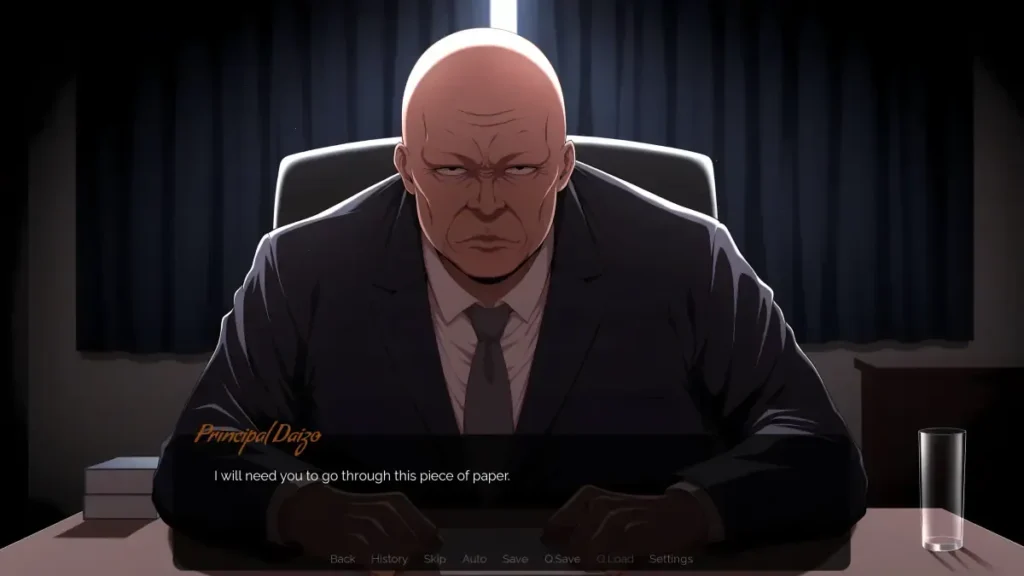
| Principal Daizo | Antagonistic Force | Manipulative, Authoritative, Corrupting |
Exploring Hoshino Academy’s Dark Underbelly
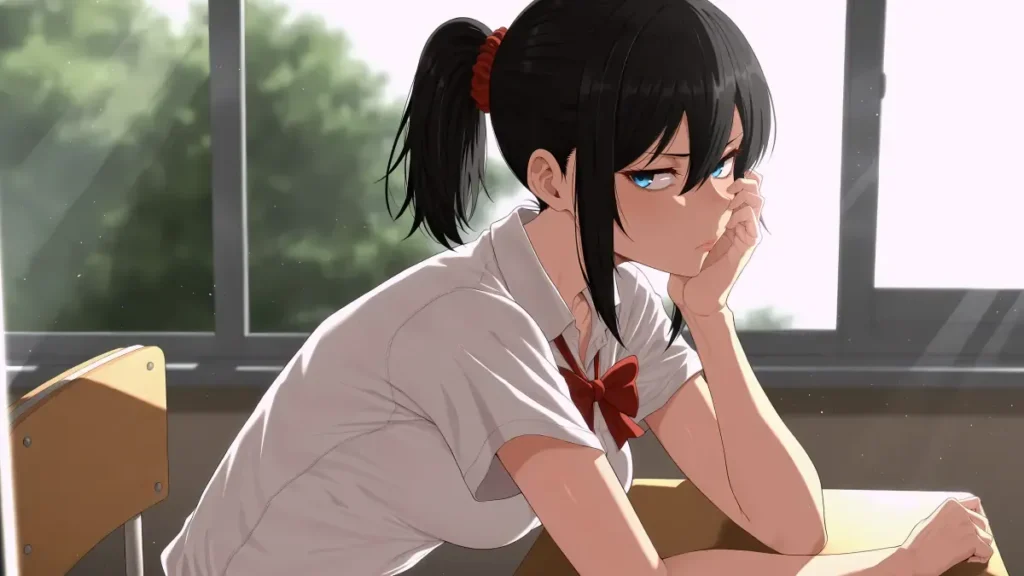
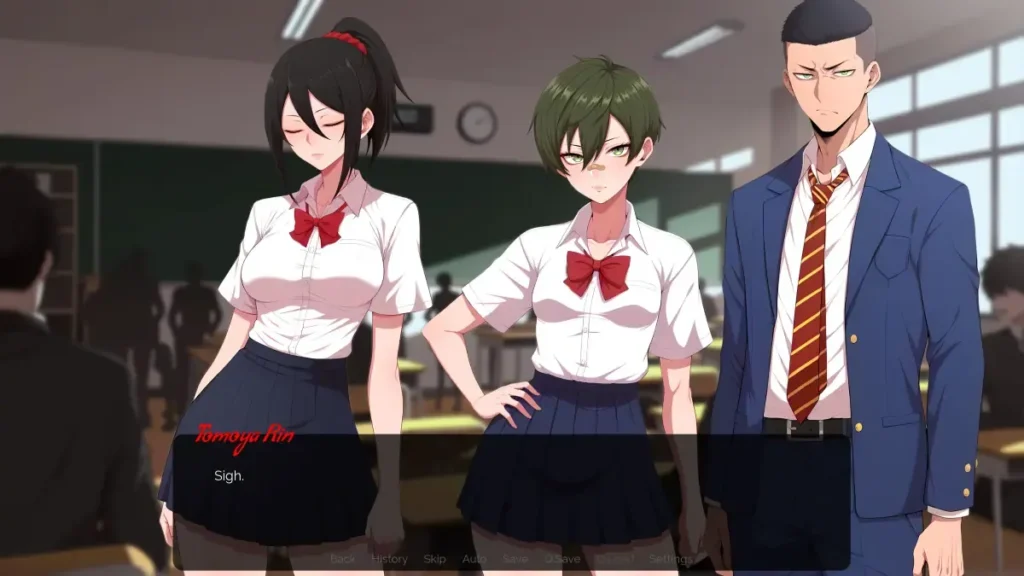
Hoshino Academy isn’t just a setting; it’s a character in its own right, and arguably the primary antagonist. 🏫 On the surface, it’s a top-tier institution known for academic excellence. But scratch that glossy veneer, and you find a place that actively neglects and even despises its arts programs. Rin’s Photography Club is on the chopping block, and her only hope is to win a national competition to prove its worth.
This creates immense pressure on Rin, a pressure that manipulative figures are all too ready to exploit. The most prominent of these is Principal Daizo. He’s the embodiment of the institution’s corruption—a man of power who offers “help” with strings attached that are more like chains. Watching Rin navigate this hostile environment, trying to preserve her passion while the system seems designed to crush it, is a central driver of the Aperture story.
The academy’s atmosphere is a pressure cooker. You feel it in every hallway scene and staff room encounter. It’s a world where genuine talent is overlooked in favor of prestige and control, making Rin’s struggle feel hopeless and her potential compromises tragically understandable. This exploration of Hoshino Academy is what elevates Aperture from a simple story to a compelling critique of institutional failure.
Themes of Corruption and Emotional Turmoil Explained
This is where Aperture truly shines and earns its reputation as a poignant NTR visual novel. The Aperture corruption themes aren’t about graphic scenes or sudden betrayals. They are a slow, psychological drip-feed. It’s the corrosion of innocence and the systematic dismantling of a person’s spirit. 🥀
You witness Rin’s gradual decline. The bright, determined girl you first meet begins to dim. She becomes withdrawn, misses meetings, and seems burdened by secrets. The game brilliantly transfers her anxiety onto you, the player. As Keita, you sense something is wrong, but you’re often powerless, watching from the sidelines as Rin is pulled deeper into Daizo’s web. The emotional conflict is brutal: your desire to protect her clashes with the game’s mechanics that sometimes limit your agency, mirroring Keita’s own frustration.
“The most terrifying monster isn’t the one that attacks you in the night; it’s the one that convinces you the cage is for your own protection.” — A line of in-game narration that perfectly captures the insidious NTR visual novel tension at play.
The genius is in the “slow-burn.” Unlike rushed plots, this gradual unraveling makes the emotional impact deeper. You have time to invest in Keita and Rin’s relationship, making each small sign of her corruption feel like a punch to the gut. It builds a unique kind of narrative tension that is far more about dread than surprise.
So, how do you navigate this emotional minefield? The Aperture game plot branches based on your choices, often presenting you with critical moments of intervention or restraint.
My Advice? Track Your Choices Religiously. During one pivotal playthrough, I faced a choice late at night: confront Rin about a suspicious text I saw, or give her space, trusting she’d come to me. I chose confrontation, thinking it was the “right” thing to do. It backfired spectacularly, accelerating the rift between us. It taught me that in Aperture, good intentions are not enough.
For those looking to see all sides of the story, here’s a simple tracking method:
| Key Choice Point | Potential Outcome Path | Branch Focus |
|---|---|---|
| Early: How to support Rin’s competition entry | Encourage independence / Offer intensive help | Sets dynamic for reliance |
| Mid-Game: Responding to Rin’s secretiveness | Demand answers / Patiently wait / Investigate alone | Critical for trust levels |
| Late-Game: The final confrontation | Direct action / Strategic appeal / Emotional plea | Determines ending core |
Keep a notepad or a simple text file. Jot down major decisions and their immediate effects on Rin’s mood and your relationship meter (if the game has a visual one). This will help you navigate back and unlock different endings, from the tragic to the cautiously hopeful.
Ultimately, what makes Aperture’s story and setting unmissable is its brave commitment to emotional realism over fantasy. It uses the framework of an NTR visual novel to explore power dynamics, institutional pressure, and the fragile nature of trust. The journey of Keita Aperture and Rin Tomoya at Hoshino Academy will linger with you long after the credits roll, not because of what you see, but because of what you feel—that agonizing, beautifully crafted tension.
Ready to step behind the viewfinder yourself? In the next chapter, we’ll dive into the actual gameplay mechanics of Aperture, from managing your time between classes and photography outings to mastering the camera system that becomes your primary tool for both creativity and uncovering the truth. 📸 The choices are yours to make.
Aperture masterfully weaves puzzle-like choices, heartfelt drama, and sizzling moments into a visual novel you’ll replay for every branching path. From Keita’s rocky start with Rin at Hoshino Academy to the gripping NTR twists, it’s a journey of desire and downfall that lingers. My tip? Dive into multiple playthroughs to chase those elusive endings—trust me, the emotional payoff is worth every minute. Ready to snap your own steamy photos? Grab Aperture now, experiment with decisions, and let its world consume you. What’s your first choice going to be?